
Generally, courses begin in the middle or toward the end of September, and the term lasts for 14 weeks. These weeks include lectures and midterms, followed by a final exam period that generally lasts for two weeks. Some universities also leave a one-week break between the end of classes and the finals so students can prepare better.
After the finals, the winter break begins. The official winter holiday is often two weeks, but in practice it can feel longer because there is usually also a course selection week before classes start again. Following that course selection period, the spring term begins toward the end of February.

Academic calendar highlights
- Courses run in autumn and spring.
- Summer is free most of the time.
- Official winter breaks are two weeks and can feel longer.
- Some universities provide free weeks before final exams.
- The calendar is usually compatible with other universities.
How the academic calendar works in Turkey
There are two semesters in one academic year, and each term has its own lecture period and final exam period. The calendar itself is prepared by university authorities, while lecturers have some flexibility in arranging classes within that framework. This means the overall system is structured, but the weekly teaching experience can still vary from one course to another.
Most universities follow a similar annual plan. The autumn term starts in September and continues for 14 weeks. After that comes the final examination period, which can take up to two weeks. Some institutions then offer make-up exams for students who could not attend the finals. These exams may take place during the winter break or during the summer holiday.
Once the autumn term and its exams end, students move into winter break. Then comes course selection, followed by the spring term. The spring semester usually repeats the same 14-week structure before another two weeks of final examinations. After this, the summer holiday starts at about the beginning of June.
Although this pattern is common, not every university follows exactly the same dates. Some universities start the autumn term later, around the beginning of October, which can stretch the academic year well into July. For that reason, students should always check the official calendar of their own institution.
Why the university year can feel busy but manageable
At first glance, the schedule may seem packed and even a little overwhelming. However, many students find that the terms pass quickly. The structure of the academic year helps you plan ahead: you know when lectures are likely to begin, when finals are approaching, and when you will probably have time off.
National holidays can also affect the teaching schedule between September and June. When a class day coincides with a holiday, the lecturer may arrange a make-up session. This is one reason why it is useful to follow both the university calendar and course-specific announcements carefully.
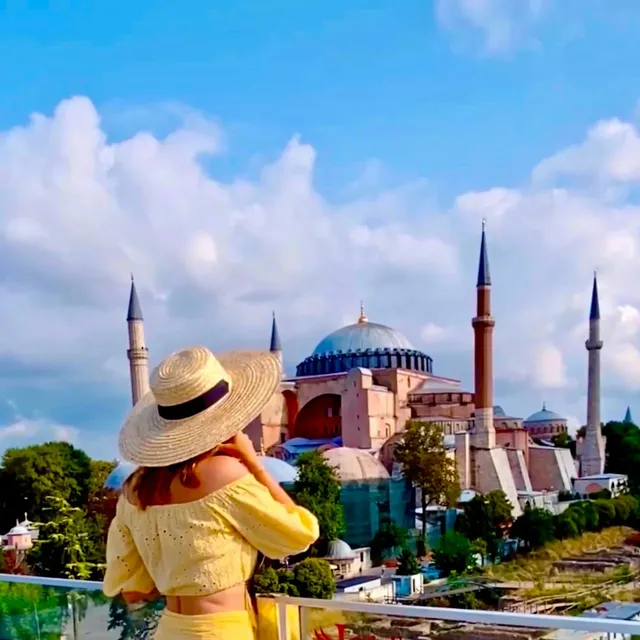
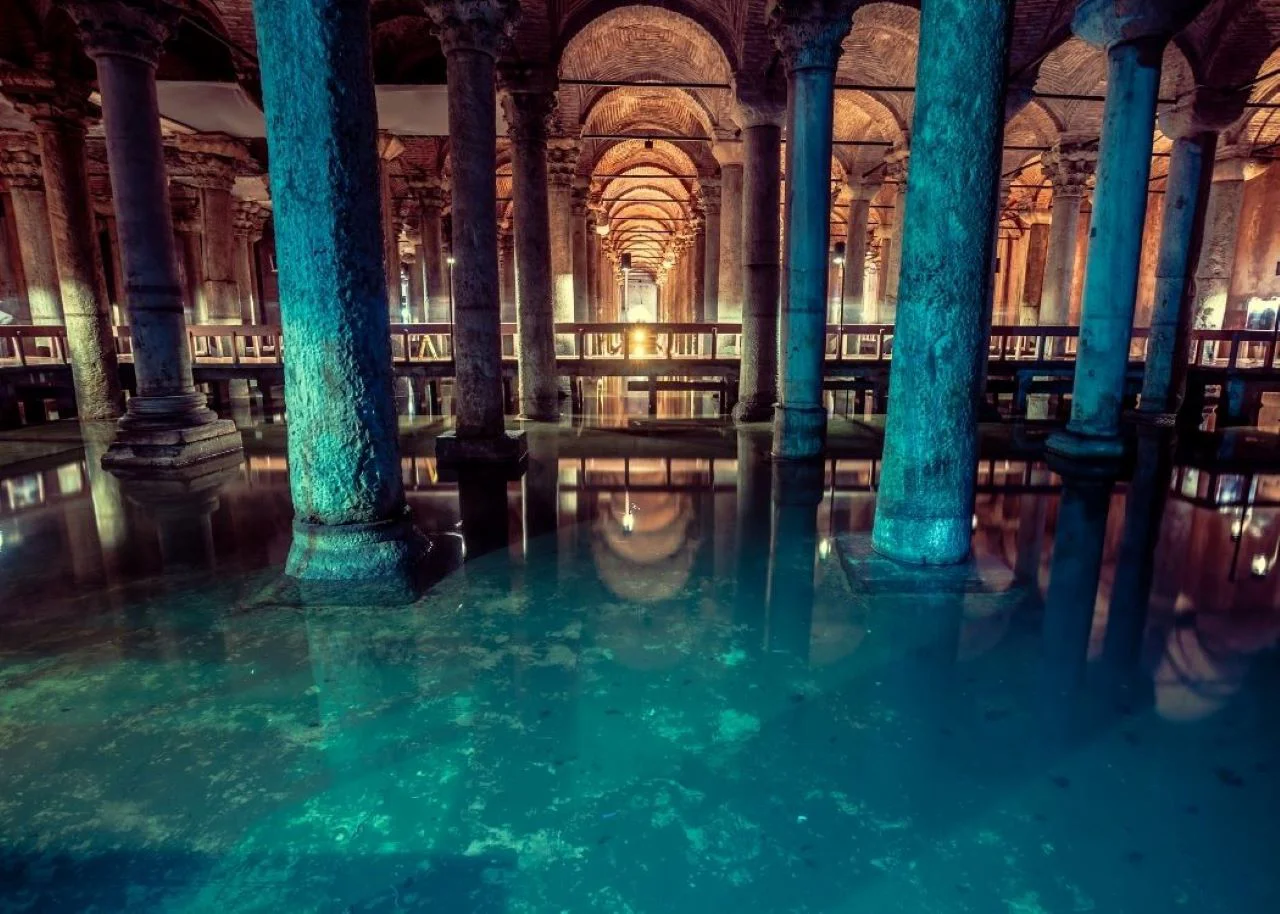
For students living in Istanbul, the yearly rhythm also makes it easier to explore the city between study periods. During breaks or lighter weeks, many students spend time around places such as Taksim Square or take a relaxing Bosphorus Cruise. If you want broader background on higher education timing and term systems, you can also consult Britannica or browse Turkish institutional resources on official .gov.tr websites.
What students should expect during the year
In practical terms, most students can expect the year to include lecture weeks, midterms, finals, a winter break, and a relatively free summer. That predictable pattern is one of the useful parts of the academic system. It helps students organize travel, internships, visits home, and study time with fewer surprises.
The academic calendar also lets you experience different seasons during the university year. From the start of autumn classes to the approach of summer, the year moves through three very different seasons in Turkey, each with its own atmosphere. This can make student life feel more dynamic, especially in a city as varied as Istanbul.
Even if your university follows the common model, always confirm dates with the official calendar published by your institution. Registration periods, make-up exams, and exact term start dates can differ from campus to campus.
FAQ
When does the university academic year usually start in Turkey?
At many universities, the autumn term starts in the middle or toward the end of September. However, some universities begin later, around the beginning of October, so it is always best to check your institution’s official academic calendar.
How long is one semester at universities in Turkey?
One semester generally includes 14 weeks of lectures and midterms, followed by a final exam period that can last about two weeks. Some universities may also include a short break before finals for exam preparation.
How long is the winter break?
The winter break is officially two weeks in many cases. Still, it can feel longer because a course selection week often takes place between the break and the start of the spring term.
When does the summer holiday begin?
For many students, the summer holiday starts around the beginning of June, after the spring term and final exams are completed. At some universities with later autumn starts, the academic year may continue into July.
Do all universities in Turkey follow the same calendar?
No, not exactly. Most universities follow a similar autumn-and-spring pattern, but start dates, exam periods, and make-up exam schedules can vary. Students should always rely on the official calendar published by their own university.