
Key Takeaways
- For a first hidden-gems day, pick 5 to 6 stops: Balat, Fener, the Bulgarian Iron Church, Yedikule Fortress, Kuzguncuk, and Theodosius Cistern are the easiest starting set.
- Some places on this list are not secret anymore, but their lesser-known corners still feel refreshingly local if you plan them well.
- The best strategy is to group by area: Golden Horn, land walls, Asian side, old city, or Kadıköy and the islands.
- Neighborhood walks usually matter more than a checklist of landmarks.
- Some sites have limited access or changing hours, so check ahead. current opening hours and access rules for each listed site
Best hidden gems in Istanbul for a first day
1) Balat backstreets and stairways
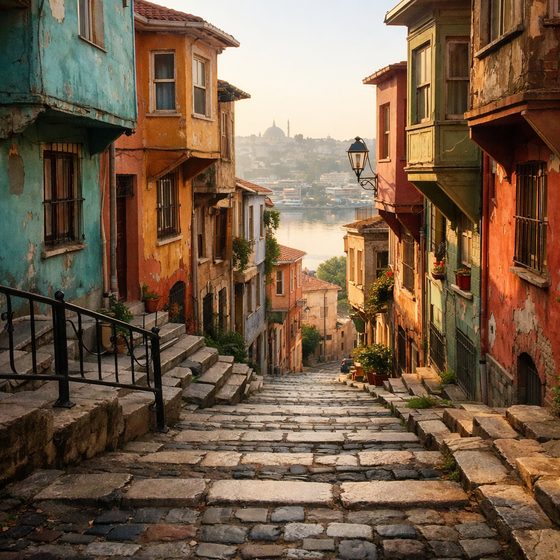
Balat is a historic neighborhood on the Golden Horn known for old houses, steep lanes, stairways, and a lived-in local atmosphere.
Why it matters: Balat is popular on social media, but most visitors stay on the busiest photo streets. The better experience is uphill, where the neighborhood feels less staged and more like everyday Istanbul.
Where it is: On the Golden Horn in Fatih, beside Fener.
How long to spend: 60 to 90 minutes if you want to wander properly.
What to pair nearby: Fener, the Bulgarian Iron Church, and a wider Balat/Fener guide if you want to turn it into a half day.
Access caveat: Go early if you want quieter lanes and easier photos. This is a residential area, so keep noise low and avoid treating doorways as photo props. current opening hours and access rules for each listed site
2) Fener Greek Patriarchate area
Patriarchate is the administrative and spiritual seat of a patriarch, a senior bishop in Eastern Orthodox Christianity. Fener is the neighboring district beside Balat, known for Orthodox heritage, churches, old schools, and quieter residential streets.
Why it matters: This area shows a different side of Istanbul from the imperial mosque-and-palace circuit. The Ecumenical Patriarchate precinct gives real historical depth, and the surrounding streets are worth walking for their architecture and calmer pace.
Where it is: Along and uphill from the Golden Horn, directly next to Balat in Fatih.
How long to spend: 30 to 60 minutes, or longer if you linger in the surrounding streets.
What to pair nearby: Balat, the Bulgarian Iron Church, and a longer Balat/Fener guide.
Access caveat: Dress respectfully if entering active religious spaces and avoid expecting museum-style access. current opening hours and access rules for each listed site
3) The Bulgarian Iron Church
Bulgarian Iron Church is a late 19th-century waterfront church known for its prefabricated cast-iron structure and detailed ornament.
Why it matters: It is one of the most unusual churches in Istanbul and stands out architecturally even for visitors who already know the city well.
Where it is: On the Golden Horn waterfront in Balat/Fener.
How long to spend: 20 to 30 minutes.
What to pair nearby: Balat backstreets, the Fener Patriarchate area, and a Golden Horn walk.
Access caveat: The exterior is the safest thing to count on; interior access may depend on worship times or current visitor rules. current visitor access and worship-hour restrictions for the Bulgarian Iron Church
4) Küçük Mustafa Paşa Hamamı streets
Küçük Mustafa Paşa Hamamı is a historic bath building in Fatih, surrounded by calm residential streets that many tourists never reach.
Why it matters: The appeal here is less a single monument than the texture of the surrounding area: timber houses, local shops, and a slower rhythm than the tram corridors.
Where it is: In the wider Fatih district, inland from the Golden Horn.
How long to spend: 30 to 45 minutes as a walking detour.
What to pair nearby: Balat and Fener if you want to stay on the European side, or the Theodosian Land Walls if you like long urban walks.
Access caveat: The bath itself may host events or have restricted access depending on current use. present-day use and visitor access for Küçük Mustafa Paşa Hamamı
5) Yedikule Fortress
Yedikule Fortress is a historic fortress built into the old city walls near the Sea of Marmara.
Why it matters: It is one of the strongest places in Istanbul for understanding the city’s defensive history in physical form, with towers, walls, open space, and broad views.
Where it is: In Yedikule, at the southern end of the old land-wall zone.
How long to spend: 60 to 90 minutes.
What to pair nearby: A Yedikule guide, a selected stretch of the land walls, or a Marmara-side walk if you do not want a museum-heavy day.
Access caveat: Do not assume full access to every tower or section, especially during restoration periods. current restoration status, opening hours, and ticket policy for Yedikule Fortress
6) The Theodosian Land Walls walks
Theodosian refers to the era of Theodosius II, the Byzantine emperor associated with Constantinople’s great land walls. Theodosian Land Walls are the long defensive walls that once protected the city on its land side.
Why it matters: This is one of the most rewarding historical walks in Istanbul if you like ruins in context rather than a polished single-site visit.
Where it is: Running north-south along the old western edge of the historic city.
How long to spend: 45 minutes to 2 hours depending on the section you choose.
What to pair nearby: Yedikule Fortress is the most logical anchor. You can also connect parts of the walk to local neighborhoods in Fatih.
Access caveat: Not every section is equally practical or pleasant for independent visitors, so choose a segment rather than trying to trace the whole line. safest and most practical wall sections for independent visitors in 2026
7) Küçüksu Pavilion
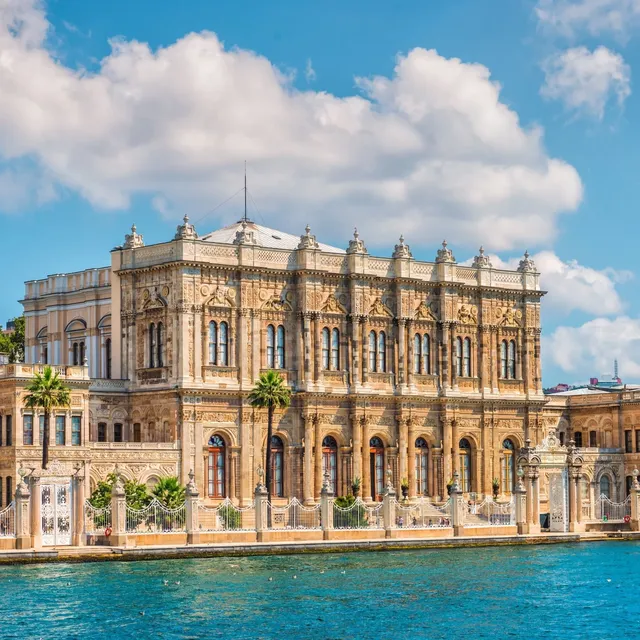
Küçüksu Pavilion is a small 19th-century Ottoman riverside palace on the Asian side of the Bosphorus.
Why it matters: It gives you decorative palace interiors and a beautiful waterfront setting in a shorter, lighter visit than the city’s better-known palaces.
Where it is: On the Asian shore between the Bosphorus bridges, near Beykoz/Üsküdar-side routes.
How long to spend: 30 to 45 minutes.
What to pair nearby: Beylerbeyi Palace, Kuzguncuk, or an Asian-side Bosphorus ferry day.
Access caveat: Opening days and restoration closures can change, so check before building your route around it. current opening days, restoration closures, and ticket price for Küçüksu Pavilion
8) Kuzguncuk
Kuzguncuk is a waterside neighborhood on the Asian side known for wooden houses, local eateries, and a long tradition of mixed communities.
Why it matters: It is no longer unknown, but it still rewards slow walking one or two streets back from the waterfront, where the village-like feel becomes much clearer.
Where it is: In Üsküdar, north of central ferry areas along the Bosphorus.
How long to spend: 60 to 90 minutes, especially if you stop for lunch or coffee.
What to pair nearby: Üsküdar and Kuzguncuk, Nakkaştepe, Atik Valide, or Küçüksu Pavilion.
Access caveat: This is more about neighborhood walking than one major ticketed sight, so come with flexible expectations and comfortable shoes. current opening hours and access rules for each listed site
9) Nakkaştepe viewpoint
Nakkaştepe is a hilltop park and viewpoint above the Bosphorus with broad bridge-and-water panoramas.
Why it matters: It gives you one of the city’s best open views without the same queue-and-ticket dynamic as the classic tower viewpoints.
Where it is: Uphill from Kuzguncuk on the Asian side.
How long to spend: 30 to 45 minutes.
What to pair nearby: Kuzguncuk is the obvious match, and it also works well on a wider Üsküdar/Kuzguncuk route.
Access caveat: Services and maintenance can vary, so do not rely on every café or facility being open. current access, café services, and viewpoint maintenance at Nakkaştepe
10) Atik Valide Mosque complex
Külliye is an Ottoman mosque complex that includes supporting buildings such as schools, kitchens, or courtyards. Atik Valide Mosque complex is a major Ottoman külliye in Üsküdar designed by Mimar Sinan.
Why it matters: It shows Sinan in a neighborhood setting rather than as a central monument isolated by tourism. The sloping streets around it are part of the experience.
Where it is: In inland Üsküdar, above the ferry zone.
How long to spend: 30 to 45 minutes.
What to pair nearby: Kuzguncuk, Nakkaştepe, or a broader Üsküdar/Kuzguncuk guide.
Access caveat: As an active religious site, access may be limited at prayer times, and modest dress is expected. current opening hours and access rules for each listed site
11) Büyük Valide Han roof area
Han is an Ottoman-era urban merchant inn built around courtyards for trade, storage, and lodging. Büyük Valide Han is a historic han in the old commercial district near the Grand Bazaar.
Why it matters: Even without rooftop access, the building and surrounding streets reveal the trading-city side of old Istanbul better than many headline sights.
Where it is: In Eminönü/Beyazıt’s commercial backstreets near the Grand Bazaar.
How long to spend: 20 to 40 minutes.
What to pair nearby: Grand Bazaar, Süleymaniye, and other old-market streets.
Access caveat: Do not plan your day around rooftop views unless access is confirmed and legal. legal visitor access rules for Büyük Valide Han roof and interior courtyards
12) Theodosius Cistern
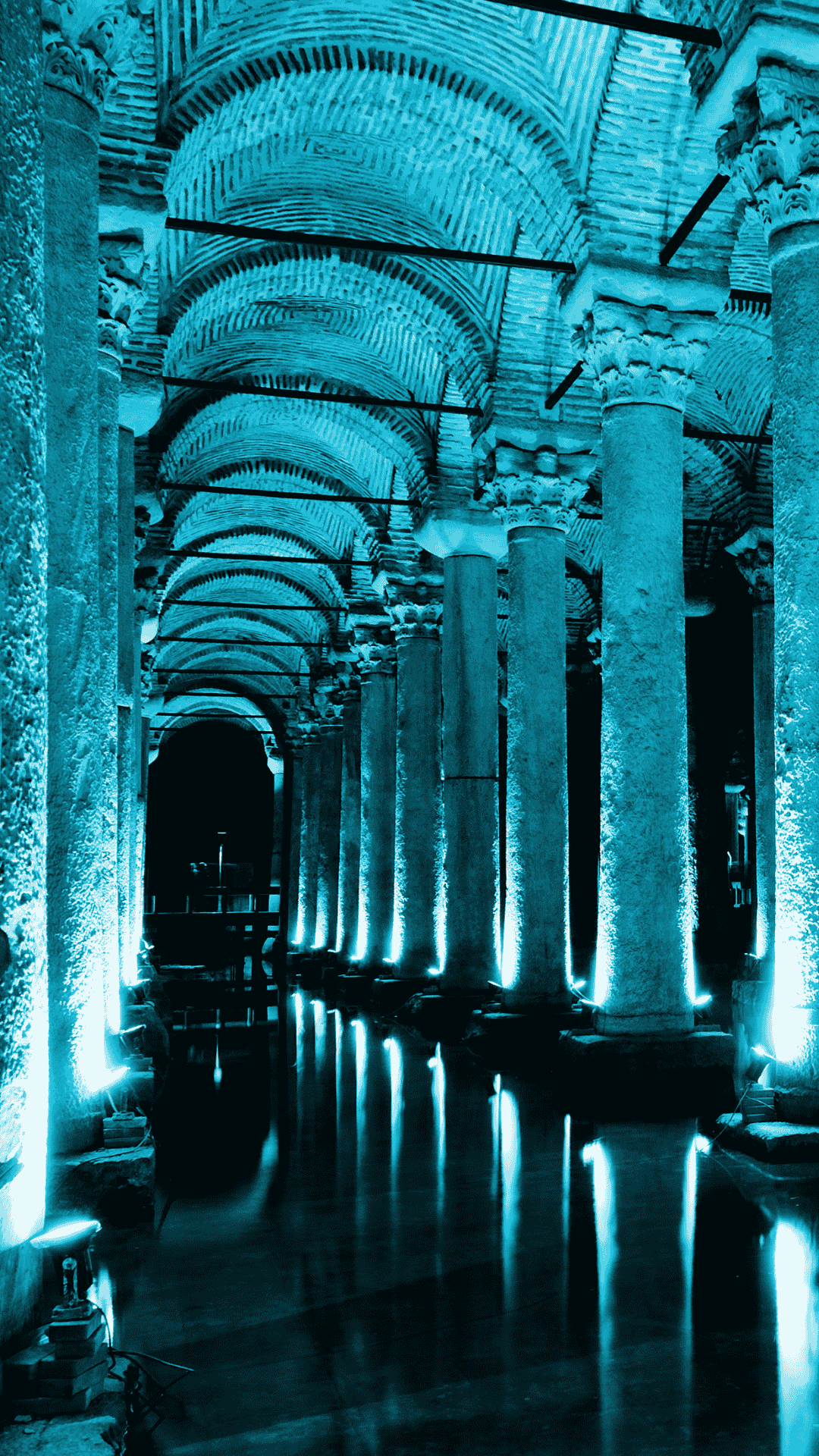
Theodosius Cistern is a restored Byzantine cistern in the old city, smaller and often calmer than the better-known underground chambers.
Why it matters: It offers a shorter, easier underground stop with real atmosphere, especially if you want an alternative to the busiest classic cisterns.
Where it is: In the Sultanahmet/Beyazıt zone of the historic peninsula.
How long to spend: 20 to 30 minutes.
What to pair nearby: Basilica Cistern if you want a compare-and-contrast visit, or old-city walking between major sights.
Access caveat: Exhibitions, lighting format, and ticketing can change, so check before you go. current ticket policy, opening hours, and exhibition format at Theodosius Cistern
13) Ağa Hamamı lane and Cihangir backstreets
Ağa Hamamı is a historic hammam near Cihangir, and the small lanes around it show a quieter side of Beyoğlu beyond İstiklal Avenue.
Why it matters: This is one of the easiest hidden-angle detours in central Istanbul: steps, old apartments, sea glimpses, and a more residential rhythm within walking distance of crowded areas.
Where it is: In Cihangir, downhill and aside from the İstiklal/Taksim spine.
How long to spend: 30 to 60 minutes.
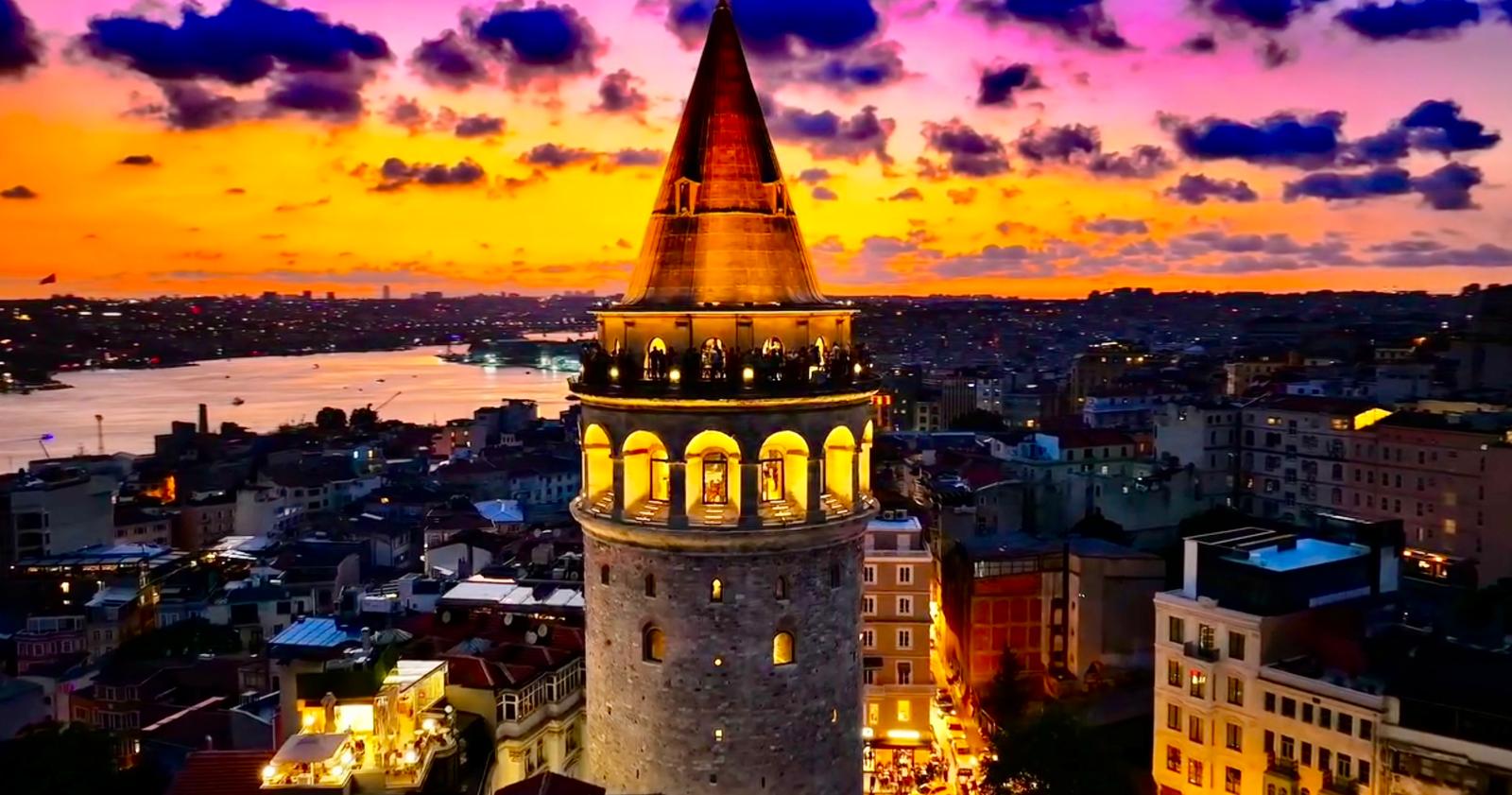
What to pair nearby: Galata Tower, Cihangir cafés, or a late-afternoon Beyoğlu walk.
Access caveat: If you want to use the hammam itself, compare packages and access rules before showing up. current hammam packages and access rules at Aga Hamamı
14) Moda coastal corners
Moda is a seaside quarter in Kadıköy known for cafés, parks, and a slower daily rhythm.
Why it matters: Moda is not hidden in a strict sense, but many first-time visitors only see Kadıköy market and miss the coastal sections and quieter inland streets that make the area memorable.
Where it is: In Kadıköy on the Asian side, beyond the ferry-terminal core.
How long to spend: 60 to 90 minutes.
What to pair nearby: A Kadıköy and Moda guide, ferry time, or a long lunch before a waterside walk.
Access caveat: This stop works best with a loose schedule. Come for a slower stretch of the day rather than a rushed box-ticking visit. current opening hours and access rules for each listed site
15) Princes' Islands winter day trip
Princes' Islands are a group of islands in the Sea of Marmara known for old wooden mansions, sea air, and streets with far less vehicle traffic than central Istanbul.
Why it matters: They are often framed as a summer trip, but cooler months can make them feel calmer, more atmospheric, and less crowded.
Where it is: Offshore from Istanbul, reached by ferry from city piers.
How long to spend: Half day to full day. Pick one island, not several.
What to pair nearby: A dedicated Princes' Islands guide and a practical Istanbul ferry guide if you are unsure about routes.
Access caveat: Ferries can be weather-dependent, and winter services may feel sparse compared with peak season. Check schedules, dress for wind, and build in flexibility. current ferry schedules and seasonal service changes for the Princes' Islands
How to group these places into easy routes

The smartest way to do hidden gems in Istanbul is by area, not by ranking. Here are the cleanest route plans.
Route 1: Golden Horn half day
Do Balat backstreets → Bulgarian Iron Church → Fener Patriarchate area → Küçük Mustafa Paşa Hamamı streets.
This is the easiest first route because transfers are short and the experience feels coherent: neighborhood streets, religious history, waterfront atmosphere, and quiet residential texture. Spend 3 to 4 hours total with coffee or lunch.
Good for: first-time visitors, photographers, and travelers who want a lower-effort hidden-gems day.
Route 2: Walls and fortress day
Do Yedikule Fortress → selected Theodosian Land Walls walk.
This is the strongest route for serious history. It is less polished and less convenient than the Golden Horn route, but more rewarding if you like ruins, old defenses, and urban context. Keep the plan simple and choose one wall segment instead of trying to overachieve.
Good for: repeat visitors, history-focused travelers, and anyone who wants a break from central crowds.
Route 3: Asian side architectural day
Do Küçüksu Pavilion → Kuzguncuk → Nakkaştepe → Atik Valide Mosque complex.
This is one of the best mixed days in Istanbul: water, houses, hill views, and major Ottoman architecture. It works especially well if you enjoy ferries and want a full day that never feels too touristy.
Good for: couples, slow travelers, and anyone staying long enough to explore beyond the old city.
Route 4: Old-city detour day
Do Theodosius Cistern → Büyük Valide Han → Grand Bazaar backstreets.
This route fits easily around a classic historic-peninsula day. It gives you an underground Byzantine stop and an Ottoman trade-building stop without adding long transport time.
Good for: travelers who still want headline areas but with one or two quieter layers added.
Route 5: Kadıköy and coast day
Do Kadıköy market area → Moda coastal corners.
This is less about monuments and more about urban rhythm. It is ideal for a lighter day after heavy sightseeing. If you want extra planning help, use a Kadıköy/Moda guide.
Good for: food-first travelers, café hoppers, and anyone who wants a local-feeling afternoon.
Route 6: Islands day
Do one Princes' Island only.
Do not combine the islands with a packed city itinerary on the same day unless you are comfortable cutting things short. The point is to slow down.
Good for: longer stays, good-weather flexibility, and travelers who want sea air more than sightseeing density.
Practical tips for visiting lesser-known Istanbul sights
Start early. Balat, Fener, Yedikule, and many neighborhood streets are best before late-morning traffic and group tours build up.
Use ferries whenever practical. They are often the most pleasant way to connect neighborhoods, especially for Asian-side routes. If you need logistics help, see an Istanbul ferry and transport guide or broader public transport tips.
Wear shoes with grip. Several of these areas involve steep slopes, uneven paving, stairs, or rough stone.
Carry a transport card and a little cash. Smaller stops and neighborhood habits can vary. current public transport payment options and accepted cards in Istanbul
Respect active worship spaces. Cover appropriately, speak quietly, and do not assume tourist-style access in every mosque or church.
Do not overschedule. Two neighborhoods plus one anchor sight is usually enough for a satisfying day.
Watch for restoration and access changes. This matters especially for Yedikule, Küçüksu Pavilion, Büyük Valide Han, and some religious sites.
Use “hidden” as a planning lens, not a promise of emptiness. Balat, Moda, and the Princes' Islands are well known, but their less-obvious corners still feel rewarding if you approach them at the right time and with the right expectations.
What to skip, what to pair, and how to plan your day

Do not skip Istanbul’s major classics just to chase lesser-known places. The best trips usually mix one headline sight with one or two quieter layers nearby.
What to skip
- Skip trying to do all 15 stops in one trip day.
- Skip building your day around uncertain rooftop access at Büyük Valide Han.
- Skip the most photo-focused Balat visit if you only want colorful facades and no walking; you will miss the point.
- Skip island-hopping on a short winter day.
What to pair
- Pair Balat + Fener + Bulgarian Iron Church for the easiest Golden Horn route.
- Pair Yedikule + a land-walls section for the best history-focused route. A dedicated Yedikule page can help with the area.
- Pair Kuzguncuk + Nakkaştepe for a simple Asian-side half day, or use a wider Üsküdar/Kuzguncuk guide.
- Pair Theodosius Cistern + Grand Bazaar backstreets + Büyük Valide Han for an old-city detour.
- Pair Kadıköy market + Moda for a low-pressure local day with a useful Kadıköy/Moda guide.
- Pair a Bosphorus ferry day + Küçüksu Pavilion if palace architecture matters more to you than shopping.
How to plan your day
If this is your first visit, choose one of these models:
- Shortest easy day: Balat, Fener, Bulgarian Iron Church.
- Best mixed first day: Balat, Fener, Bulgarian Iron Church, Theodosius Cistern, and one old-city stop.
- Best history day: Yedikule Fortress and the land walls.
- Best Asian-side day: Kuzguncuk, Nakkaştepe, Atik Valide, with Küçüksu if timings work.
- Best slow day: Kadıköy, Moda, or one Princes' Island if weather and ferries cooperate.
The simplest rule is this: pick one zone, move slowly, and add only one extra transfer if the second area is an easy fit. That is how hidden gems in Istanbul stay enjoyable rather than turning into a transport exercise.