Places To See
Profile
Other

Whirling Dervishes


4.7
(12,4K Ratings)

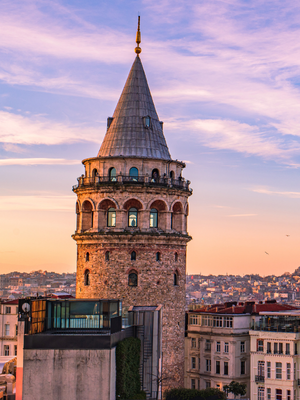
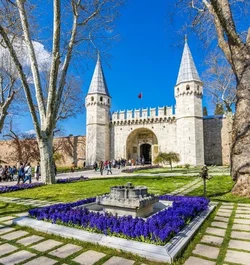
Topkapi Palace, the imperial home of Ottoman Sultans for centuries, invites you to experience its timeless greatness and beauty. The Palace is a must-see for every visitor in Istanbul. Explore rich courtyards, holy treasures, and lavish rooms that narrate the history of a mighty empire.
From happy customers
Jessica
Jonathan
May 2025
5/5

A unique and cultural experience in a beautiful venue. The atmosphere creates a special ambiance, and it's interesting to witness this traditional ritual live.
Amira
Amira
Jun 2025
5/5

This was a bucket list event..

Helen
Helen
Apr 2025
5/5

It was interesting to see how well they could dance in sync.
Silvia
Silvia
May 2025
5/5

A really great spiritual experience. This wasn't just a performance, it was a ritual that we were privileged to witness.
Ask our istanbul.com AI Assistant

A window into mystical devotion

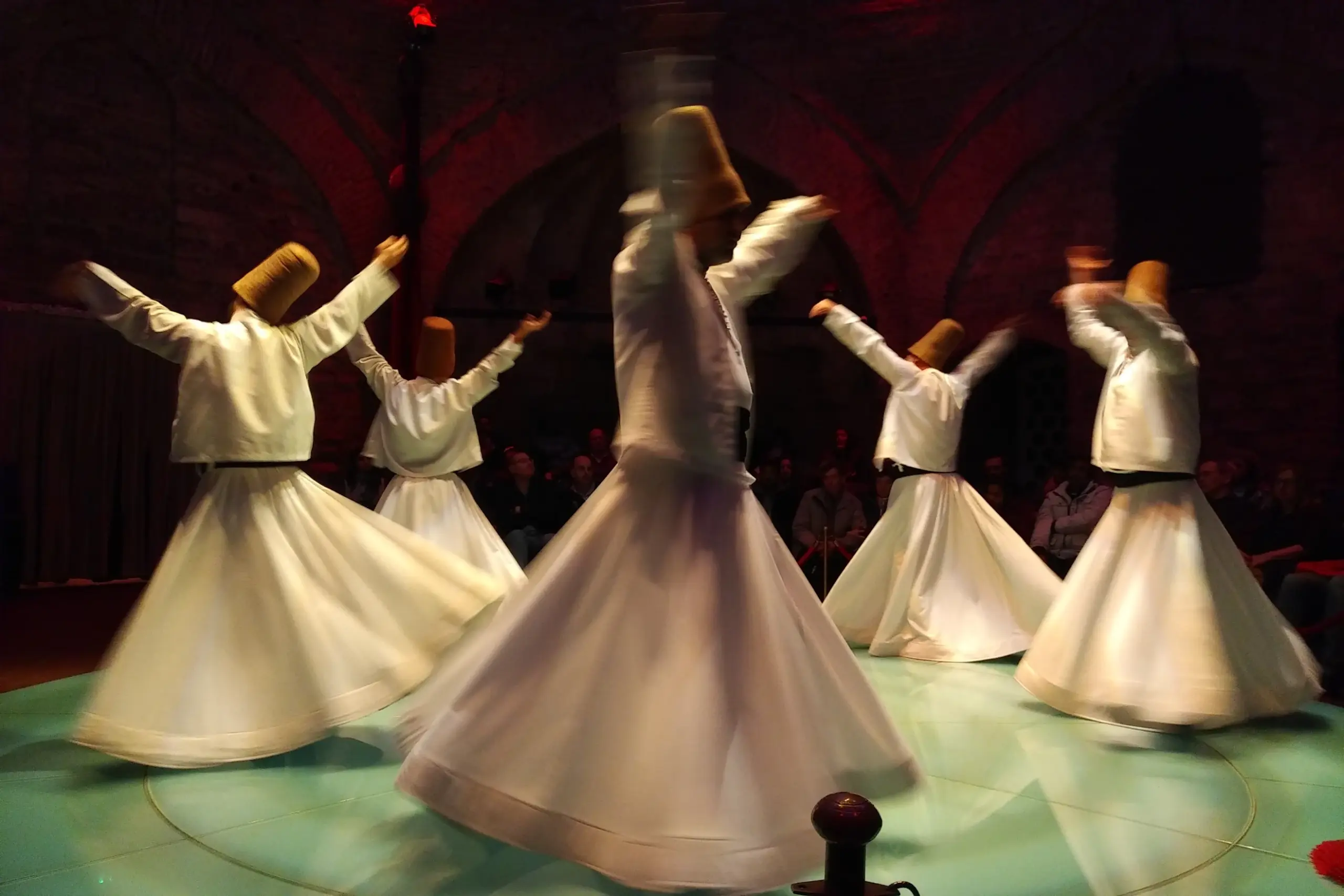
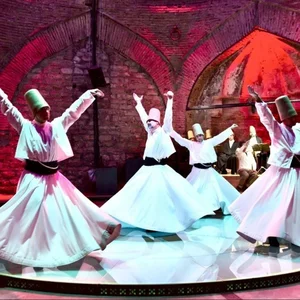
The Whirling Dervishes Ceremony offers a rare view into the spiritual heart of Sufi tradition. In a setting filled with the sound of traditional instruments, the dervishes turn in unison, their movements reflecting deep faith and inner calm. With various ticket options, including performances in historic venues and guided cultural insights, you can choose the experience that best matches your interests.

Plan your visit to Whirling Dervishes
Hodjapasha
Location:
  • Whirling Dervishes Show Experience at Abud Efendi Mansion

    Alemdar, Alemdar St. No: 5, 34110 Fatih/Istanbul

  • Hodjapasha

    Ankara Caddesi Hocapaşa Hamamı Sok No: 3.B Sirkeci/İstanbul
Visitor Tips
Visitor Tips & Amenities:
  • Buy Tickets Online: Secure your seat in advance, as popular performances can sell out quickly.
  • Arrive Early: Get the best seating and enjoy the atmosphere before the ceremony begins.
  • Dress Modestly: Cover shoulders and knees as a sign of respect for the spiritual nature of the event.
  • Cafes & Restaurants: Nearby spots offer refreshments before or after the show.
  • Gift Shops: Browse souvenirs and keepsakes connected to the whirling dervish tradition.

Things to know before booking Whirling Dervishes tickets

  • Book your tickets online early to secure a seat and avoid long lines, especially in high season. Many shows sell out weeks in advance, and onsite sales are not always available.
  • Arrive 10–30 minutes early for a better choice of seating, as most venues do not assign seats.
  • Popular venues include Hodjapasha Dance Theatre, Galata Mevlevi Museum, Turquoise Istanbul Event Hall, and historic lodges such as Abud Efendi Mansion, all located in central districts and reachable by public transit.
  • Dress modestly with long sleeves and trousers or skirts. Women are generally not required to cover their hair, but shoes must be removed before entering sacred performance areas.
  • Most venues prohibit photography, filming, and applause during the ceremony. Some allow no-flash photography before or after the event—always confirm the rules with staff.
  • The program lasts about 1 hour and usually includes an introduction, a musical prelude, the Sema ritual divided into four Selam parts, and a closing prayer.
  • The symbolism of the Dervishes’ attire, movements, and music represents spiritual stages, with the ceremony listed by UNESCO as intangible cultural heritage.
  • Explanations in English and sometimes other languages are offered before the performance. Accessibility varies by venue; historic sites may have stairs and narrow passages, so visitors with mobility needs should check in advance.
  • Ceremonies run year-round, with increased frequency during summer and holidays. Many venues schedule shows on specific days such as Thursdays, Saturdays, and weekends.
  • Most ticket agencies now allow flexible cancellations, with full refunds if canceled at least 24 hours in advance. Exact cut-off times depend on the provider.
  • Venues in central Istanbul are generally close to tram lines and bus stops. While many are stroller-accessible, wheelchair access is limited in historic buildings.

Why Whirling Dervishes is a must-visit in Istanbul

Frequently Asked Questions

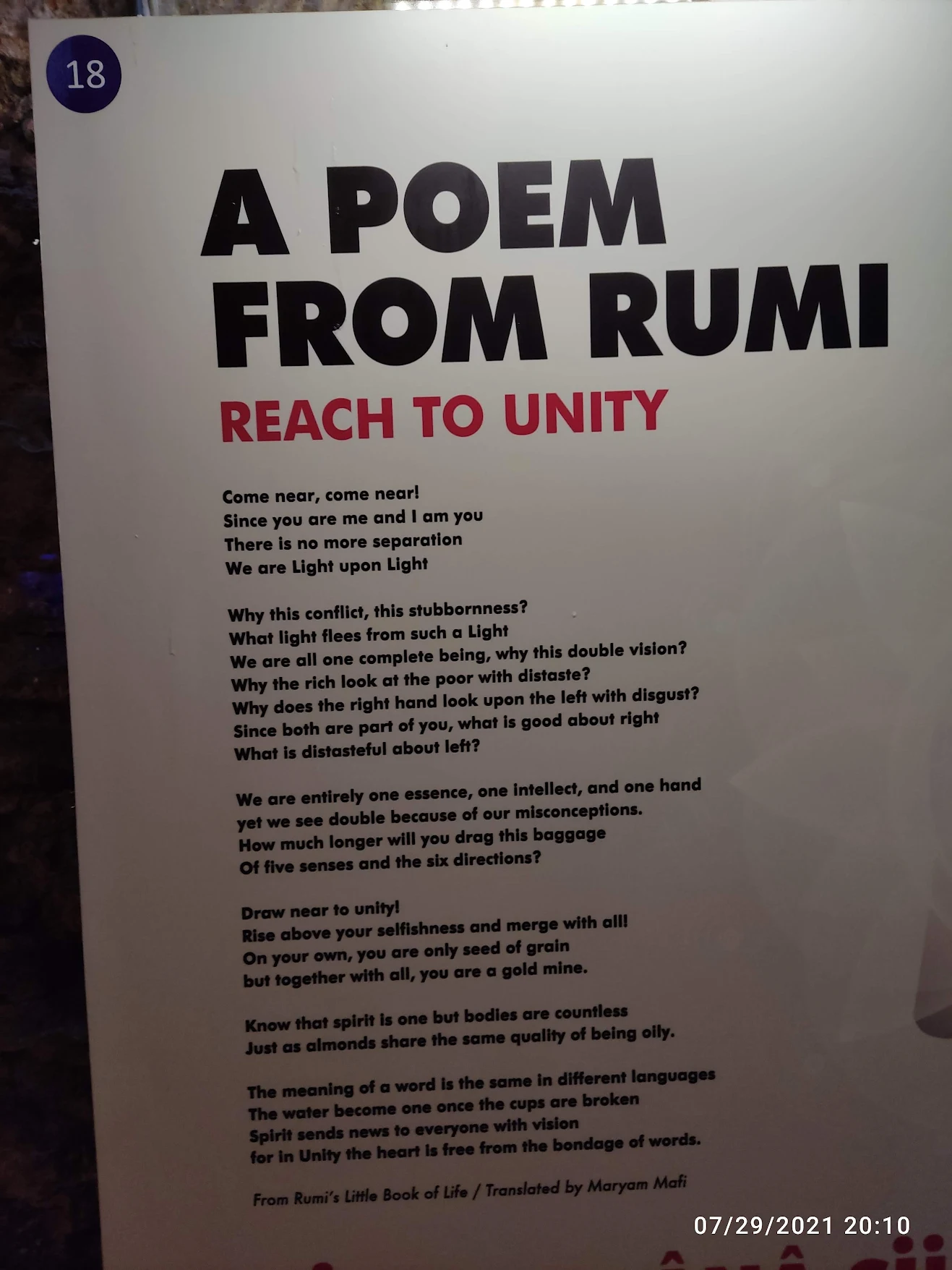
The Whirling Dervishes are members of the Mevlevi Order, a Sufi tradition that traces its origins back to the 13th century in Konya, Turkey, under the guidance of the great Persian poet and mystic Jalal ad-Din Rumi. They are recognized worldwide for their spiritual dance, which is not merely a performance but a sacred act of devotion. Through rhythmic spinning accompanied by music and poetry, the Dervishes aim to silence the ego and connect the soul with divine love. Their presence has shaped both spiritual life and cultural identity in Turkey, and their practices are deeply respected by locals and admired by international visitors. Today, the Whirling Dervishes symbolize an enduring bridge between the past and present, keeping alive centuries-old traditions while opening their doors to people eager to understand Sufi spirituality and its universal message of peace, tolerance, and love.

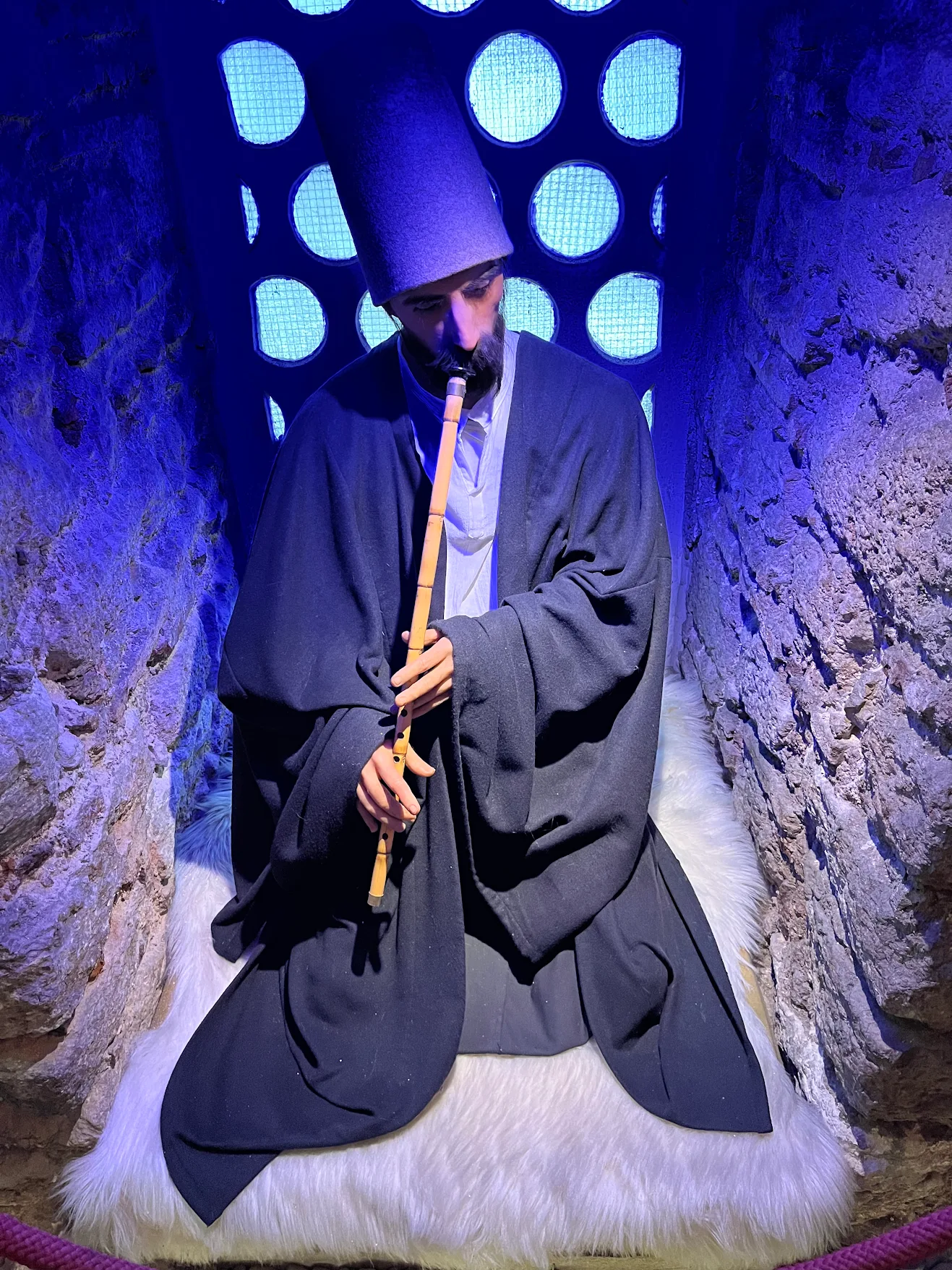
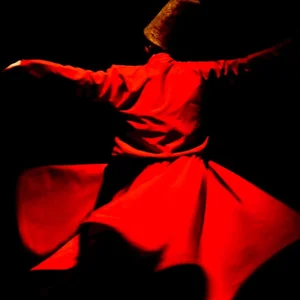
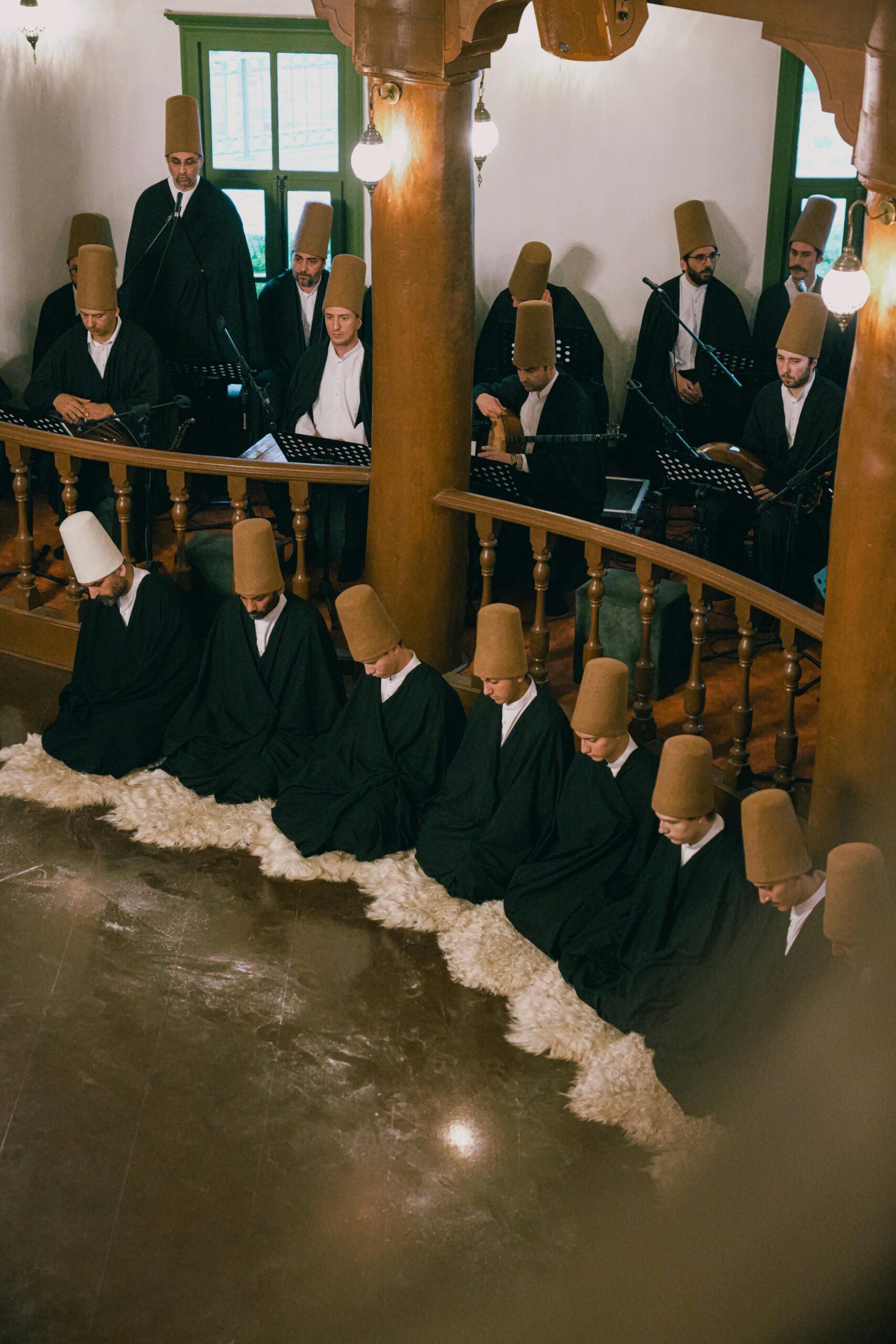
The ceremony of the Whirling Dervishes is called the Sema, which means “listening.” This ritual is considered one of the most profound expressions of Sufi devotion, where music, movement, poetry, and prayer come together in a carefully structured sequence. The ceremony often begins with a musical prelude that honors the Prophet Muhammad and sets a contemplative tone. The haunting sound of the ney flute, a traditional reed instrument, represents the human soul’s longing for reunion with its Creator. Each stage of the ceremony carries symbolic meaning, such as the removal of the black cloak, which signifies leaving behind worldly attachments, and the counterclockwise turning that reflects the spiritual journey toward enlightenment. As participants whirl, their graceful motion mirrors the cosmic order, echoing the movement of planets and stars, and inviting the audience into a shared sense of stillness, reverence, and transcendence.

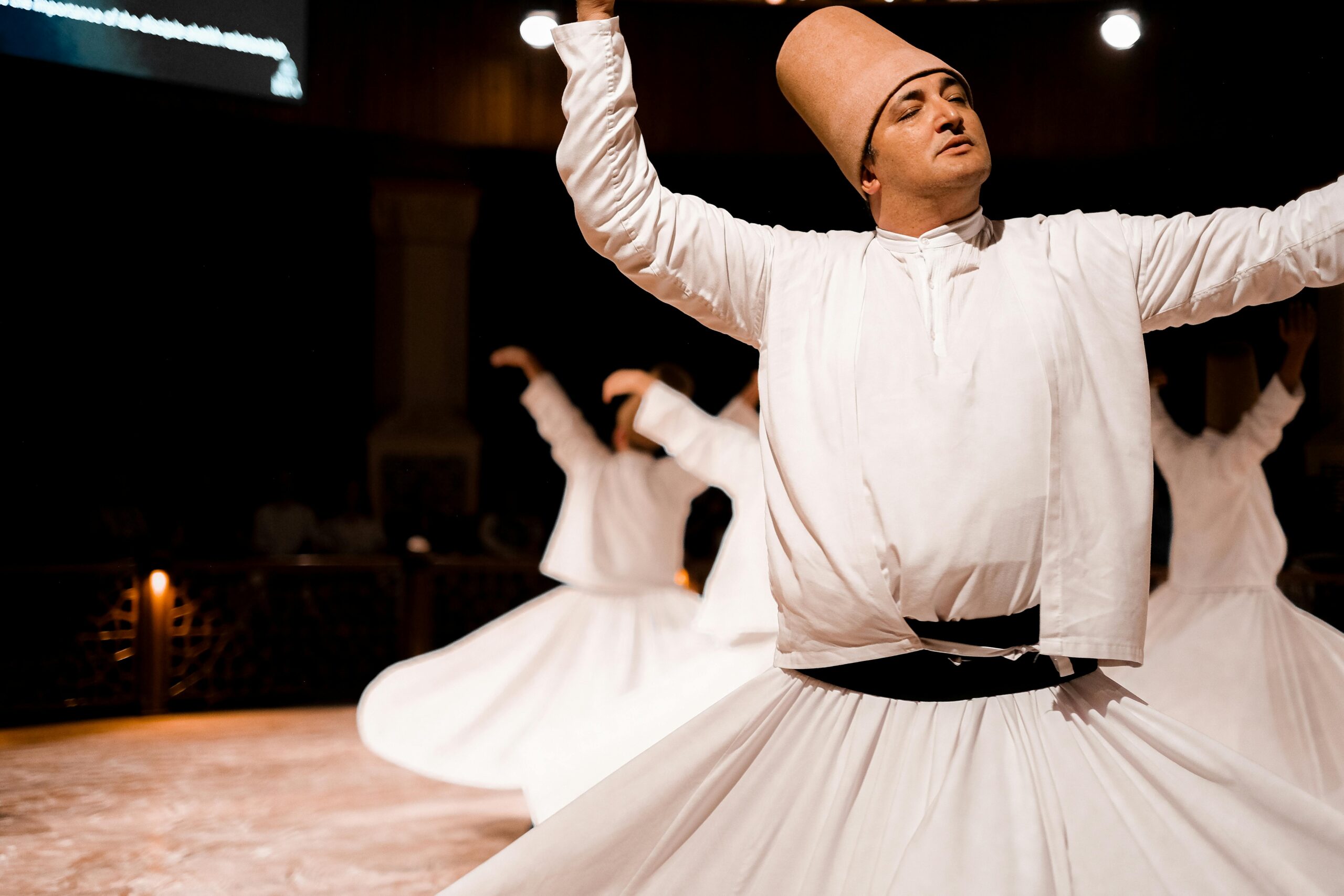
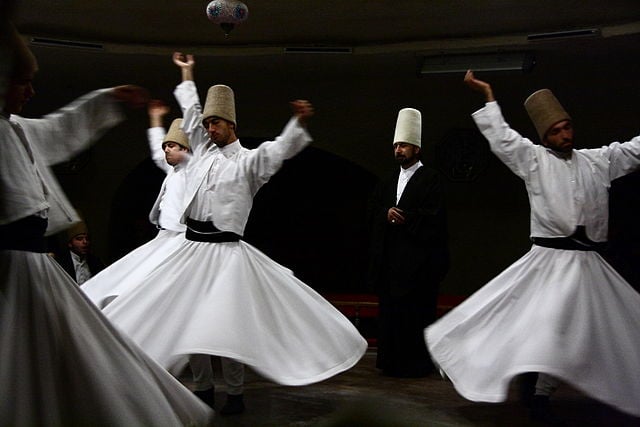
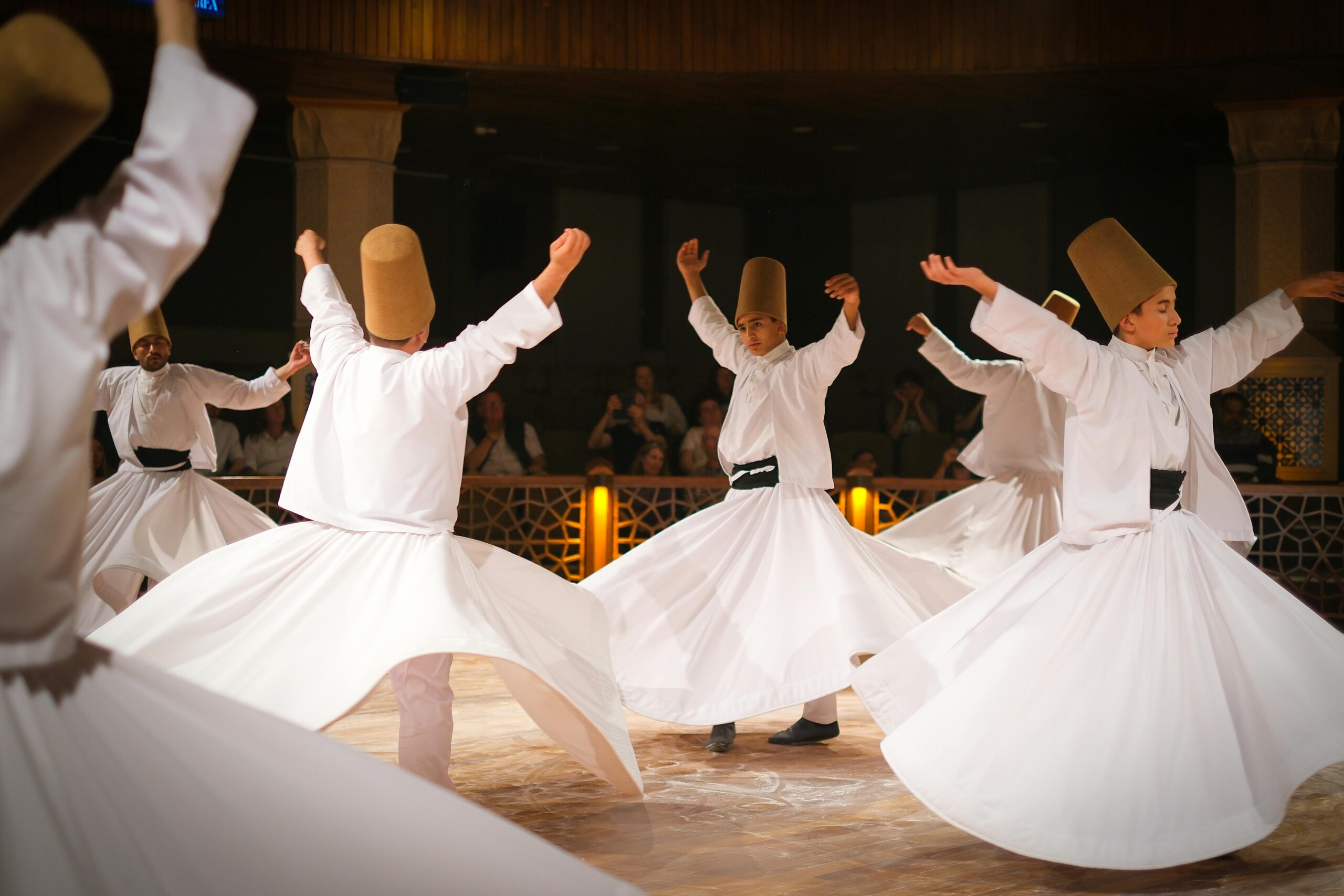
The whirling dance is a form of active meditation designed to align the inner self with the rhythms of the universe. By spinning in continuous motion, the Dervish reflects the cycles of nature, from the orbit of planets to the endless flow of time. The movement allows practitioners to reach a heightened state of spiritual awareness where worldly distractions fall away and only divine love remains at the center. The gestures are also deeply symbolic: the right hand extended upward invites blessings from above, while the left hand pointing downward shares those blessings with humanity. This balance between receiving and giving represents the ideal state of spiritual harmony. For the Dervishes, the dance is not a performance to impress an audience but a journey of the soul, where the body becomes an instrument of prayer, the heart opens to compassion, and the mind finds stillness in the rhythm of sacred music.

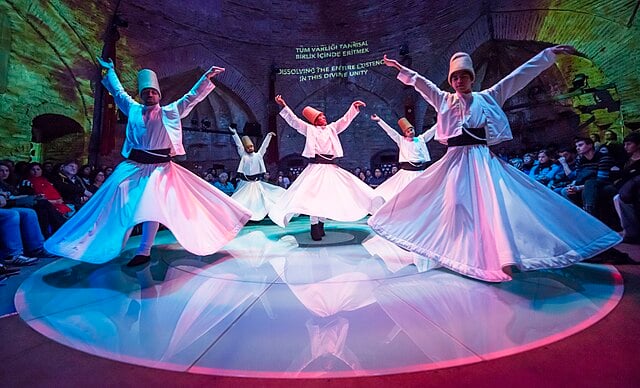
The attire of the Whirling Dervishes is designed with deliberate symbolism that communicates deep spiritual lessons. The tall felt hat, known as a “sikke,” represents the tombstone of the ego, reminding the practitioner of the need to transcend pride and self-importance. The white skirt, or “tennure,” resembles the shroud of the ego, suggesting purity and surrender to divine will. At the beginning of the ritual, Dervishes wear a black cloak that symbolizes worldly attachments, which is dramatically removed before the whirling begins, indicating the soul’s liberation from material concerns. As the skirt flares outward during the spinning motion, it evokes an image of the heart opening wide to divine love and mercy. This attire has remained unchanged for centuries, reinforcing continuity with the origins of the Mevlevi Order and allowing both practitioners and observers to connect with a long-standing spiritual heritage that values simplicity, humility, and devotion.

In Istanbul, there are several venues where visitors can witness the Whirling Dervish ceremony in an authentic and respectful environment. The Hodjapasha Cultural Center, located in a restored Ottoman bathhouse in Sirkeci, is one of the most popular venues, offering a carefully curated experience with live music and skilled performers. The Galata Mevlevi Museum, once a functioning lodge of the Mevlevi Order, provides a particularly meaningful setting where history and ritual intersect. In addition to these cultural landmarks, various centers in Sultanahmet organize regular performances for travelers who wish to explore Turkey’s spiritual traditions. For those seeking a deeper, less touristic encounter, some active Sufi lodges hold ceremonies that are primarily intended for religious devotion. Attending such gatherings requires advance inquiry, as space is often limited, and visitors are expected to maintain quiet reverence, respect the sanctity of the hall, and follow the etiquette of the community hosting the ritual.

A Whirling Dervish ceremony usually lasts around one hour, but the duration may vary depending on the setting and the depth of the ritual. Most structured performances are divided into four parts called “selam,” each of which highlights a different aspect of Sufi philosophy and devotion. During these sections, music, prayer, and movement intertwine to create a gradual progression from contemplation to spiritual elevation. In many cultural centers, the ceremony is preceded by an introduction that explains the significance of Sufism, helping visitors connect more deeply with what they are about to witness. Authentic lodge ceremonies, by contrast, may extend to 90 minutes or even longer, since they are not arranged for tourists but are intended as genuine acts of worship. Whether short or extended, the experience is carefully designed to guide participants and observers alike through a journey of reflection, emotion, and connection with divine presence.

The Whirling Dervish ceremony is fundamentally a religious ritual rooted in the teachings of the Mevlevi Sufi order. It was created as a sacred practice of prayer and remembrance, designed to guide the soul toward divine truth. In contemporary Istanbul, many venues present the Sema in a way that makes it accessible to visitors, blending cultural explanation with authentic performance. While these may be arranged for audiences, the spiritual core of the ceremony remains unchanged: the music, the poetry, the symbolism, and the turning itself all stem from devotion. Audiences are reminded to watch in silence, avoid flash photography, and maintain an atmosphere of respect, as the ritual is not entertainment in the conventional sense but an encounter with living faith. For many travelers, this dual nature—both accessible to the public yet sacred at its heart—makes attending a Whirling Dervish ceremony a uniquely memorable experience.

Yes, visitors can attend both staged performances and authentic religious ceremonies known as Sema. The staged versions, usually held in cultural centers and museums, are designed for travelers and include explanations to enhance understanding. However, in some lodges where Sufism continues as a living tradition, outsiders are welcomed under the condition that they approach with reverence. Attending such a gathering is a rare opportunity to witness the ritual in its natural context, where it functions not as a performance but as prayer. In these settings, seats may be limited, and visitors must follow the rules of the community, such as removing shoes, maintaining silence, and dressing modestly. Because these are genuine religious events, schedules may not always be regular, so it is advisable to check in advance. For those who respect the spiritual dimension, joining a real Sema can be one of the most profound cultural and spiritual encounters available in Istanbul.

While there is no strict uniform required, dressing modestly is expected when attending a Whirling Dervish ceremony. Clothing that covers the shoulders and knees is the most appropriate choice, as it reflects respect for the spiritual nature of the ritual. In some Sufi lodges, visitors may also be asked to remove their shoes before entering the hall, echoing a common practice in places of worship across the Muslim world. For cultural centers and museums, smart casual attire is usually suitable, allowing guests to feel comfortable while maintaining a sense of respectability. Avoiding flashy, overly revealing, or casual beach-style clothing ensures that both participants and observers can maintain the solemnity of the occasion. Dressing with thoughtfulness not only honors the tradition but also helps visitors immerse themselves more fully in the experience, reinforcing the feeling that they are part of something meaningful and sacred.

Yes, buying tickets in advance is highly recommended, especially during busy tourist seasons, weekends, and religious holidays when demand for seats is at its highest. Many cultural centers and museums in Istanbul provide convenient online booking systems that allow visitors to secure a preferred date and time. Purchasing tickets ahead of time not only guarantees entry but also reduces the stress of waiting in long lines. Some venues even send mobile tickets, which can be scanned directly at the entrance, making the process smooth and practical for international travelers. For authentic lodge ceremonies, reservations may be more difficult since space is limited and often reserved for the local community, so contacting organizers early is the best way to ensure availability. Preparing in advance helps visitors enjoy the ritual without distraction and focus fully on the beauty of the ceremony itself.

The choreography of the Whirling Dervishes is rich in symbolic meaning, with each gesture conveying a spiritual message. At the start of the ritual, the Dervishes cross their arms over their chest, symbolizing unity and humility before God. As they begin to turn, their right hand is extended upward to receive divine grace, while the left hand is turned downward to share that grace with the world, creating a continuous flow of blessing. The counterclockwise movement itself mirrors the orbit of celestial bodies, linking the ritual to the structure of the universe. Each rotation becomes a reminder of the soul’s journey, circling closer to the truth and away from the distractions of earthly life. Observing this motion can be deeply moving for visitors, as it illustrates harmony, balance, and the endless cycle of giving and receiving, which are central values in Sufi thought.

The choice of counterclockwise whirling is intentional and deeply symbolic. It reflects the natural order of the universe, as planets revolve counterclockwise around the sun and the human heart lies slightly to the left side of the chest, symbolizing the center of love and truth. By turning in this direction, Dervishes align their inner rhythm with the larger cosmic rhythm, reinforcing a sense of unity between the individual and creation. The direction also emphasizes humility, as the motion signifies surrendering to divine will rather than following personal desire. For the practitioner, this orientation helps balance breath and posture, creating the conditions for a meditative state. For observers, the collective spinning in harmony counterclockwise is a powerful visual reminder of the interconnectedness of all existence, demonstrating how spiritual practice reflects the laws of nature and draws the soul closer to divine presence.

Historically, the Mevlevi Order was composed entirely of men, reflecting the norms of its time. However, in recent decades, some groups in Istanbul and around the world have welcomed women into their ensembles, allowing them to take part in the same spiritual practices as men. These groups maintain the traditional music, attire, and choreography of the ritual, while making the ceremony more inclusive and reflective of modern values. At the same time, some lodges continue to practice with male participants only, preserving the historical structure of the order. Policies can vary significantly depending on the venue and the philosophy of the community. For audiences, seeing women participate in the ritual highlights how a tradition that began centuries ago continues to evolve, while still holding onto its core message of love, devotion, and connection to the divine.

Yes, foreigners who are interested in the spiritual and physical practice of the whirling dance can take part in introductory workshops offered by cultural centers and some lodges in Istanbul. These programs usually begin with basic instruction on posture, breathing, and balance, teaching participants how to sustain turning without losing control or becoming dizzy. While the physical motion can be learned relatively quickly, the deeper essence of the practice requires patience, dedication, and often the guidance of an experienced mentor. For those who wish to explore further, longer-term study under a teacher connected to the Mevlevi tradition may be possible, offering not just technical skill but an introduction to the philosophy of Sufism itself. Many foreigners find that even a short experience of whirling provides insight into mindfulness, rhythm, and inner peace, while those who pursue it seriously discover that it can become a lifelong journey of self-discovery and spiritual growth.

The Whirling Dervish ceremony is considered one of the must-see experiences in Istanbul because it brings together history, spirituality, art, and culture in a single unforgettable encounter. Visitors are transported beyond ordinary sightseeing into a contemplative space where music, poetry, and graceful movement convey timeless lessons of love, humility, and unity. The sound of the ney flute, the rhythm of the drums, and the sight of flowing white skirts create an atmosphere that is both calming and thought-provoking. More than just a performance, the Sema is a living tradition that has endured for over seven centuries, making it one of the city’s most authentic cultural treasures. Watching the Dervishes whirl in harmony offers not only aesthetic pleasure but also a deeper understanding of Turkey’s spiritual heritage. For travelers eager to connect with the soul of Istanbul, attending a Whirling Dervish ceremony is an essential experience that leaves a lasting impression long after the evening ends.