Your Guide to Topkapi Palace
Perched on the Seraglio Point where the Bosphorus meets the Golden Horn, Topkapi Palace is far more than a museum. For nearly four centuries, this sprawling complex of courtyards, pavilions, and gardens served as the nerve center of the Ottoman Empire, a dominion that at its peak stretched from the gates of Vienna to the shores of the Indian Ocean.
Today, Topkapi Palace is one of Istanbul's most visited landmarks and forms part of the UNESCO-listed Historic Areas of Istanbul. Behind its fortified walls you will find the legendary Harem, an imperial treasury glittering with jewel-encrusted daggers and the 86-carat Spoonmaker's Diamond, sacred relics of the Prophet Muhammad, and panoramic terraces overlooking the confluence of two continents. This guide covers everything you need to plan a rewarding visit: the history, what to see, how to buy tickets, and the insider tips that most visitors wish they had known before arriving.
History of Topkapi Palace
Few buildings on Earth can claim to have shaped the destiny of three continents. Topkapi Palace is one of them. Construction of Topkapi Palace began under Sultan Mehmed II in 1460, following the Ottoman conquest of Constantinople. Over time, the palace developed into the political, administrative, and ceremonial center of the Ottoman Empire.
Just six years after his epic conquest of Constantinople in 1453, Sultan Mehmed II commissioned a new palace on the strategic promontory overlooking the Bosphorus, the Golden Horn, and the Sea of Marmara. Initially called the "New Palace" (Yeni Saray) to distinguish it from the Old Palace in Beyazit, the complex was designed as a series of interconnected courtyards, each more private and sacred than the last. The layout reflected the Ottoman conception of power: the deeper one penetrated into the palace, the closer one stood to the sultan himself. Mehmed personally oversaw the construction of the outer walls, the Imperial Gate, and the core courtyard system that would define the palace for centuries to come.
Under Suleiman I, the Ottoman Empire reached its zenith, and Topkapi Palace expanded to match the ambition of its ruler. The most transformative change came not from Suleiman himself but from his beloved wife, Hurrem Sultan (known in the West as Roxelana), who convinced the sultan to move the imperial harem from the Old Palace to Topkapi. This unprecedented act placed the women of the court at the center of political power and gave rise to the famed Harem complex. Suleiman also commissioned the legendary architect Mimar Sinan to renovate the kitchens and bath complexes, and he expanded the Treasury with spoils from campaigns in Hungary, Persia, and North Africa.
A major fire damaged the palace kitchens in 1574. Sultan Murad III commissioned Mimar Sinan, the chief imperial architect, to oversee their reconstruction. Sinan redesigned the kitchens and their distinctive chimney structures, which remain among the palace's most recognizable architectural features. This reconstruction period gave the palace much of the decorative character it retains in the modern era.
A major fire in 1665 damaged large parts of the Harem. The complex was subsequently repaired and modified under Sultan Mehmed IV and later rulers, contributing to the layered architectural character visible today.
By the mid-nineteenth century, Topkapi Palace no longer met the changing residential and ceremonial needs of the Ottoman court. Following the completion of Dolmabahce Palace, Sultan Abdulmecid I transferred the main imperial residence and administrative center there in 1856. Topkapi Palace continued to house important collections, sacred relics, and archives.
Following the establishment of the Turkish Republic under Mustafa Kemal Ataturk, Topkapi Palace was converted into a museum by government decree on April 3, 1924. It became one of the first major acts of cultural preservation by the new republic, symbolizing the transition from imperial rule to a modern nation-state. Originally established across an area of approximately 700,000 square meters, Topkapi Palace today covers around 350,000 square meters, excluding Gulhane Park, making it one of the most visited museums in the world and a cornerstone of Istanbul's cultural identity.
For nearly four centuries, successive Ottoman sultans used Topkapi Palace as the empire's principal residence and administrative center. Every courtyard, corridor, and pavilion carries the accumulated weight of dynastic politics, architectural evolution, and cultural exchange between East and West. Walking through its gates today, you follow in the footsteps of ambassadors, janissaries, grand viziers, and generations of Ottoman sultans and statesmen.
What to See at Topkapi Palace
The palace is organized around four main courtyards, each revealing a deeper layer of Ottoman court life. Here are the eight areas you should not miss.
Imperial Gate & First Courtyard
Free access
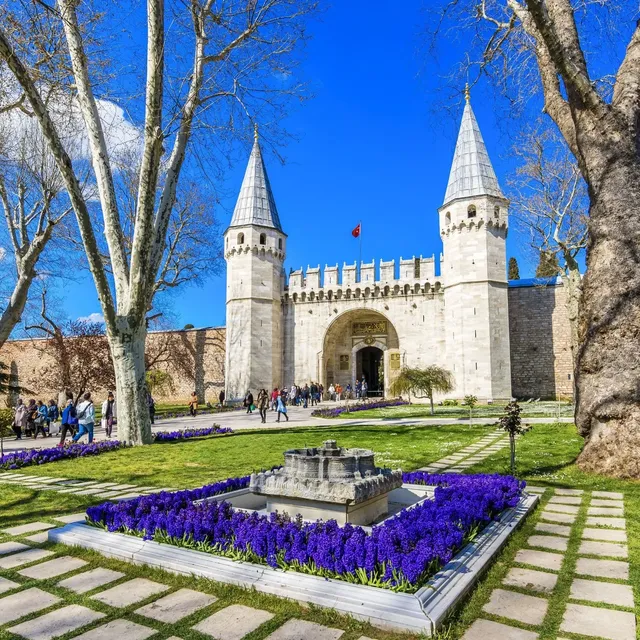
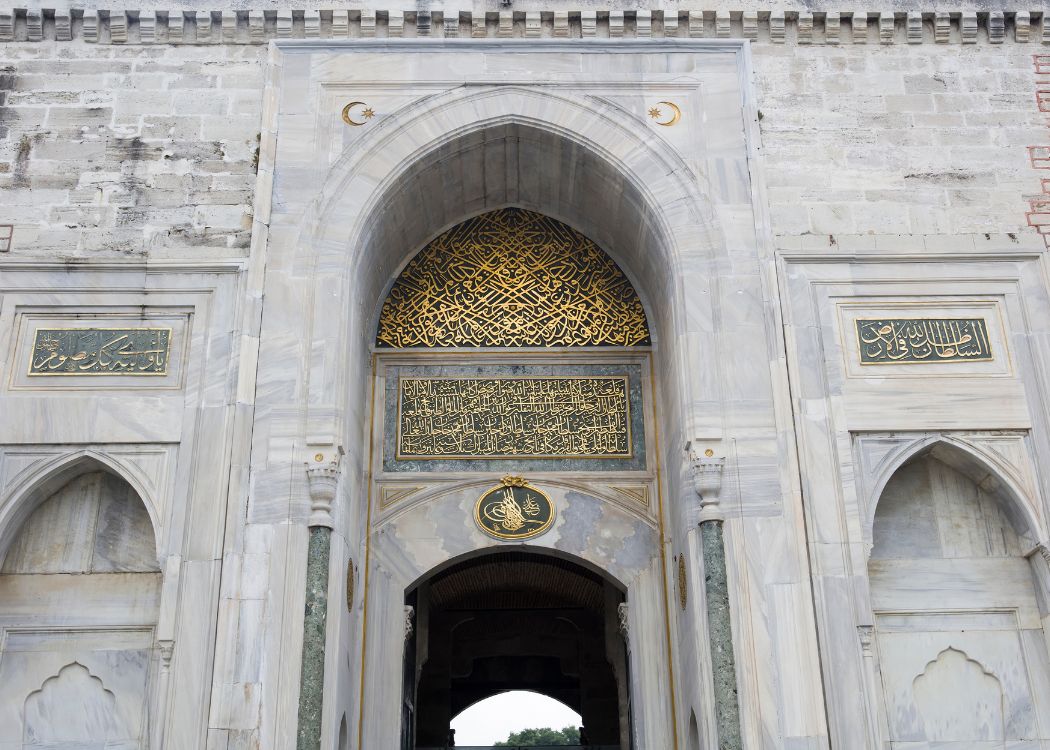
The monumental Bab-i Humayun (Imperial Gate) was the ceremonial entrance to the entire palace complex, and it remains the most impressive threshold you will cross in Istanbul. Passing through it, you enter the First Courtyard, also known as the Court of the Janissaries. This expansive, tree-lined space functioned as the outermost public zone of the palace. The Hagia Irene church, a Byzantine structure older than Hagia Sophia, stands here and now serves as a concert venue. Look for the ornate fountain of Sultan Ahmed III just outside the gate, a masterpiece of Ottoman Rococo architecture that once provided water to the citizens of the city.
The Harem
Separate ticket required
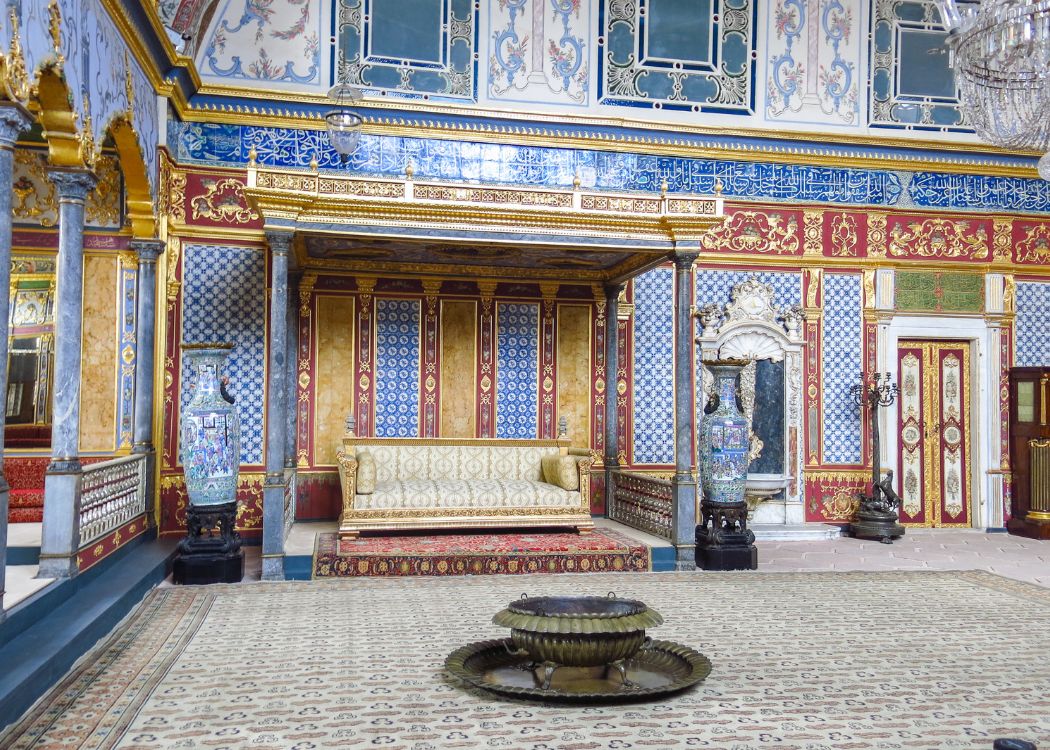
The most intimate and mysterious section of Topkapi deserves its own detailed section below. Home to the sultan's family, the queen mother (Valide Sultan), and hundreds of concubines, The Harem was a highly organized residential and administrative complex containing hundreds of rooms, courtyards, corridors, and service areas. Its Iznik-tiled corridors, the Courtyard of the Favourites, and the breathtaking Imperial Hall are among the finest examples of Ottoman interior design anywhere in the world. A separate ticket is required, and it is emphatically worth the additional cost.
Imperial Treasury
Must see
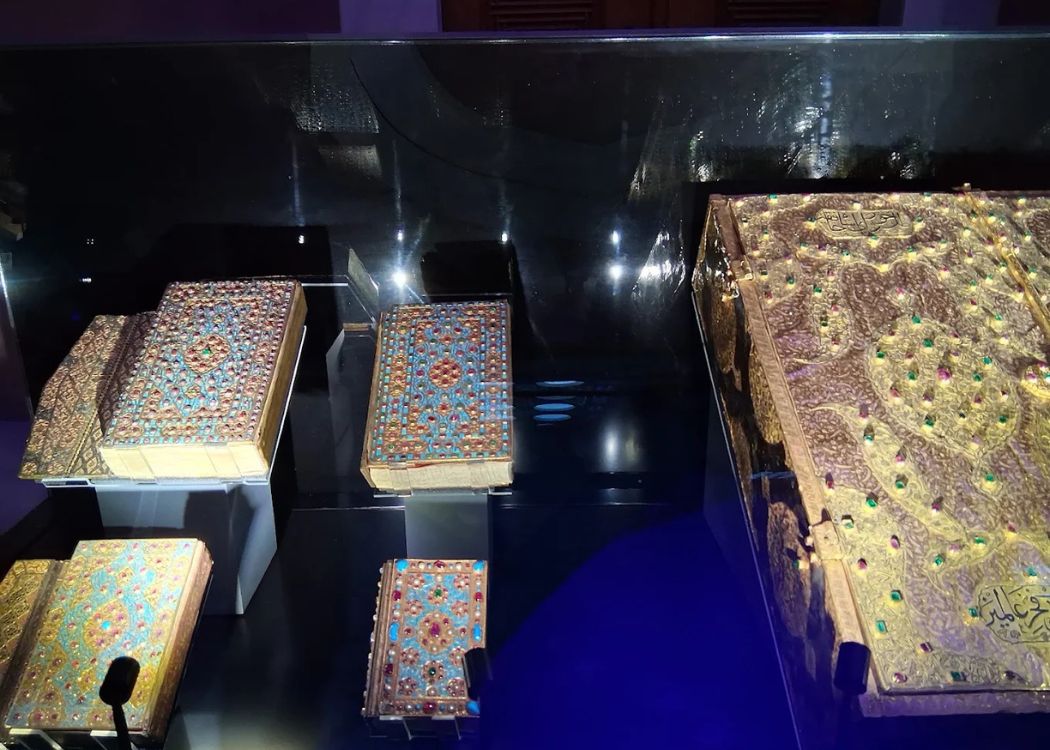
Housed in the Third Courtyard, the Imperial Treasury is home to some of the palace's most important collections of imperial objects and works of art. The star pieces are the Topkapi Dagger, an eighteenth-century emerald-studded weapon that inspired the 1964 heist film of the same name, and the Spoonmaker's Diamond (Kasikci Elmasi), an 86-carat pear-shaped diamond surrounded by 49 smaller stones. You will also find gem-encrusted thrones, ceremonial armor, reliquaries of gold and jade, and a collection of emeralds, rubies, and pearls that rivals any royal treasury in Europe. Allow yourself at least 30 to 40 minutes here, and expect crowds around the showcase items.
Sacred Relics (Kutsal Emanetler)
No photography
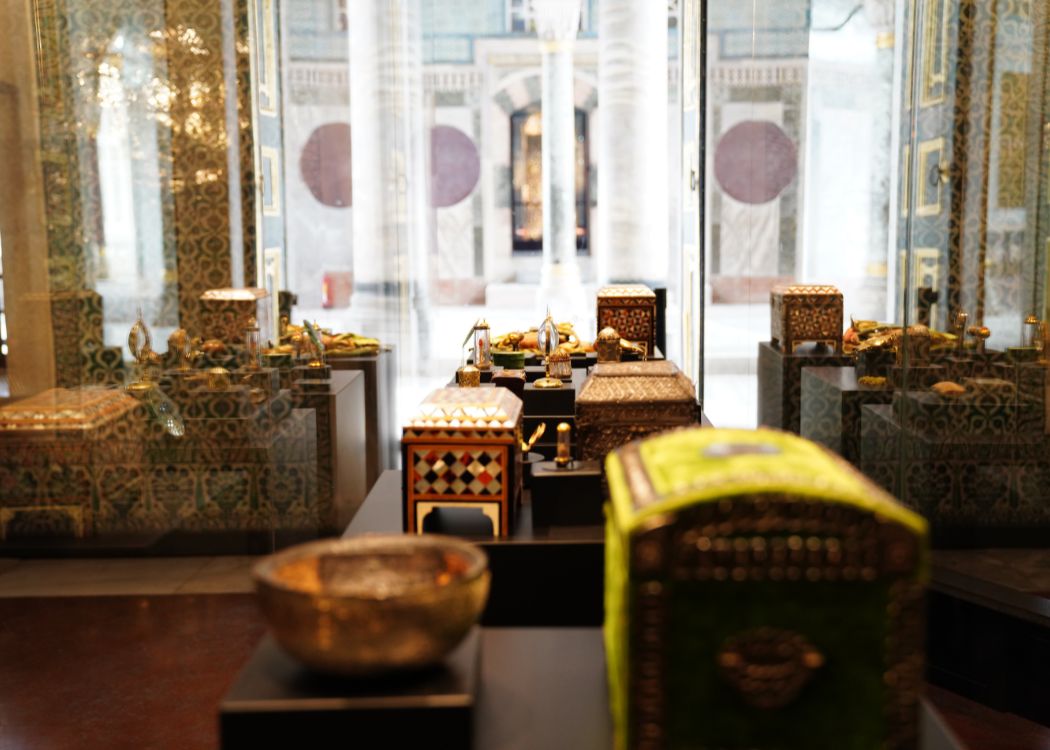
The Chamber of Sacred Relics in the Third Courtyard holds what many consider the most spiritually significant collection in the Islamic world. The collection includes sacred objects brought to Istanbul following Sultan Selim I's Egyptian campaign in 1517, as well as other relics added to the imperial collection over time. Among them are objects traditionally attributed to the Prophet Muhammad: his mantle, his sword, a tooth, a strand of his beard hair, and his footprint pressed in clay. Live Quran recitation is a longstanding tradition in the Chamber of Sacred Relics. This is a place of active devotion; you will often see visitors moved to tears. Photography is not permitted, and respectful silence is expected.
Imperial Council Hall (Divan-i Humayun)
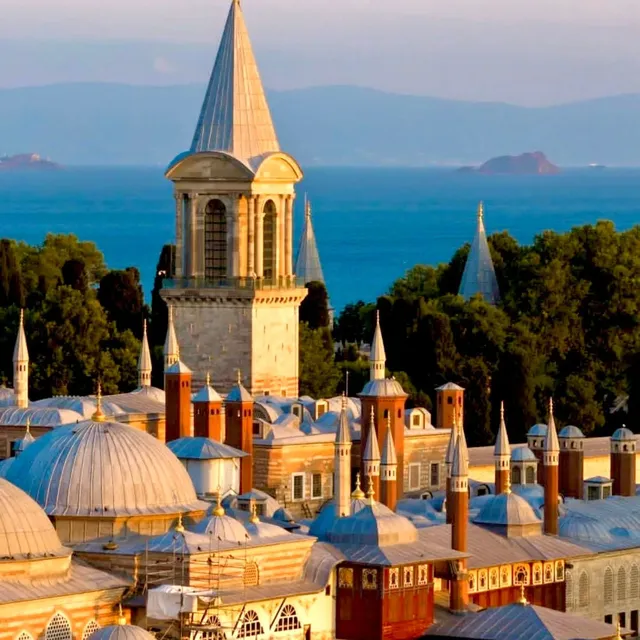
Situated beside the Gate of Salutation in the Second Courtyard, the Imperial Council Hall is where the grand vizier and the imperial council debated matters of state. The sultan did not attend these sessions in person. Instead, he observed from a latticed window above the chamber, known as the Eye of the Sultan, intervening only when he felt his presence was necessary. The tower above the Divan, the tallest structure in the palace, was built by Suleiman the Magnificent and later rebuilt with its current conical roof in the nineteenth century. The interior features restored Ottoman calligraphy and gilded ceilings.
Baghdad Kiosk (Bagdat Kosku)
Best views
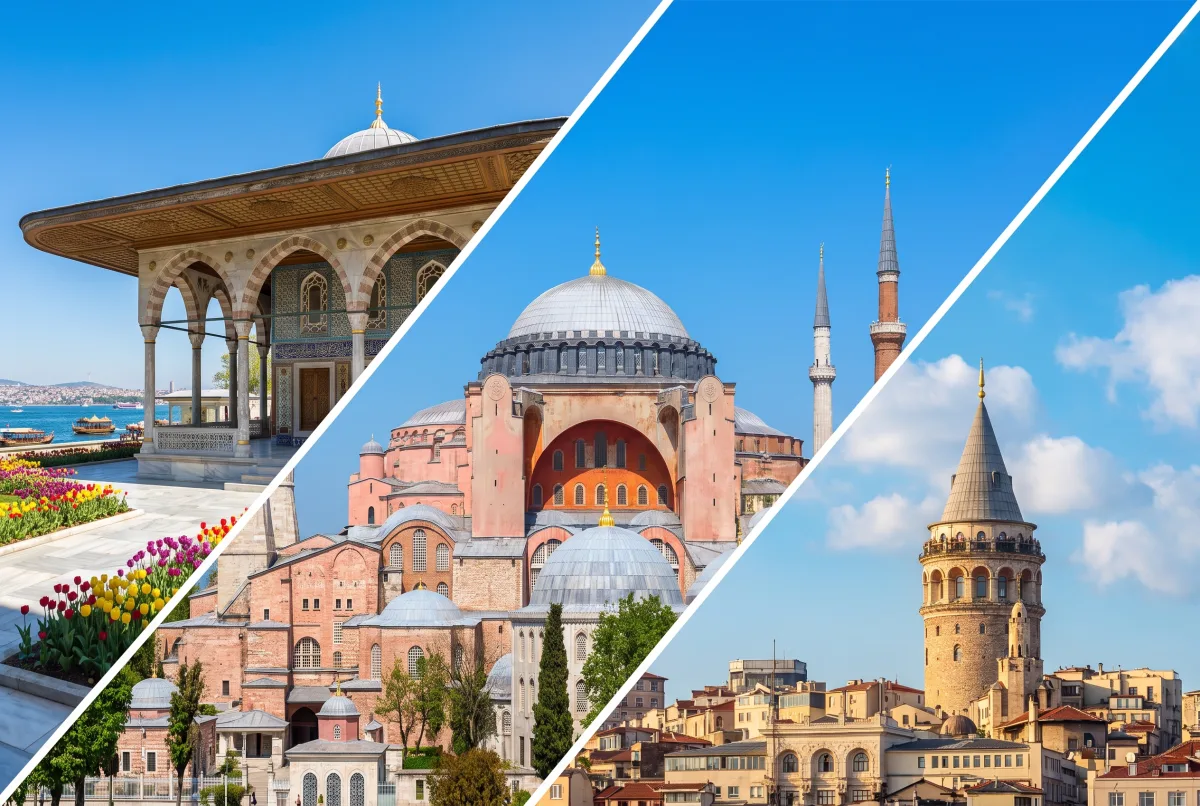
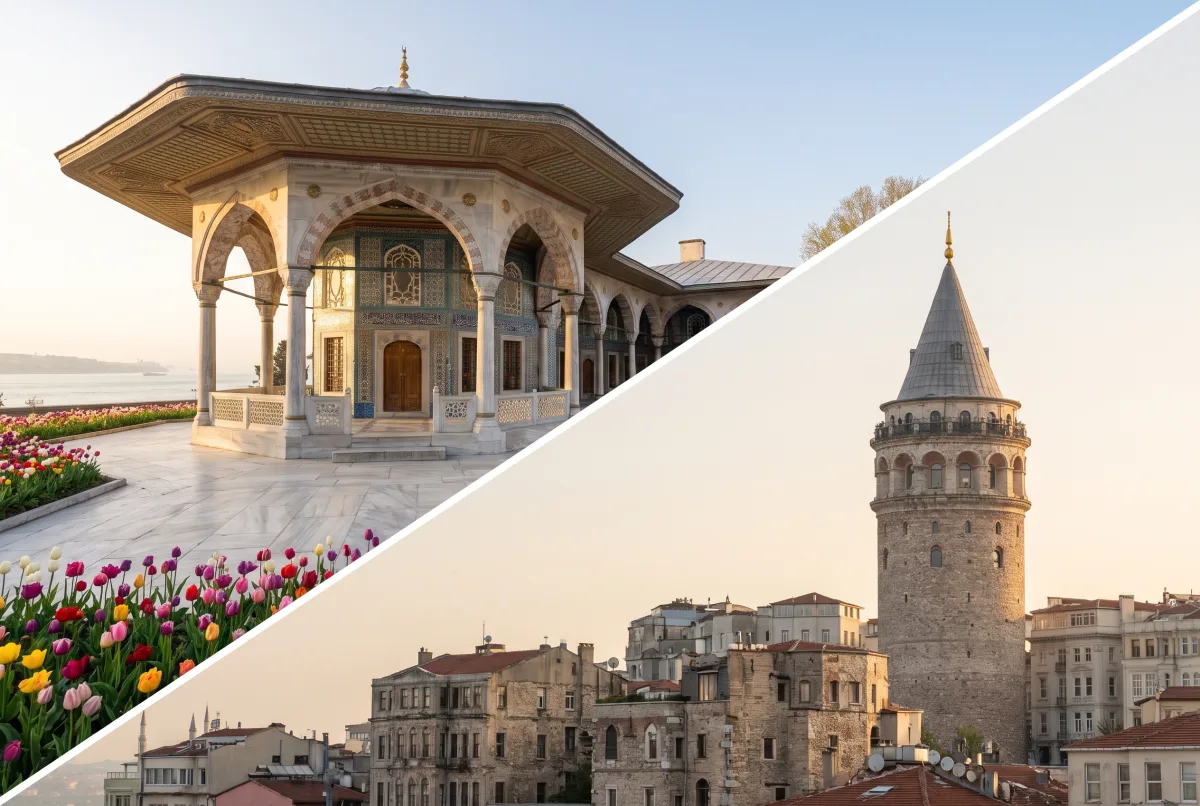
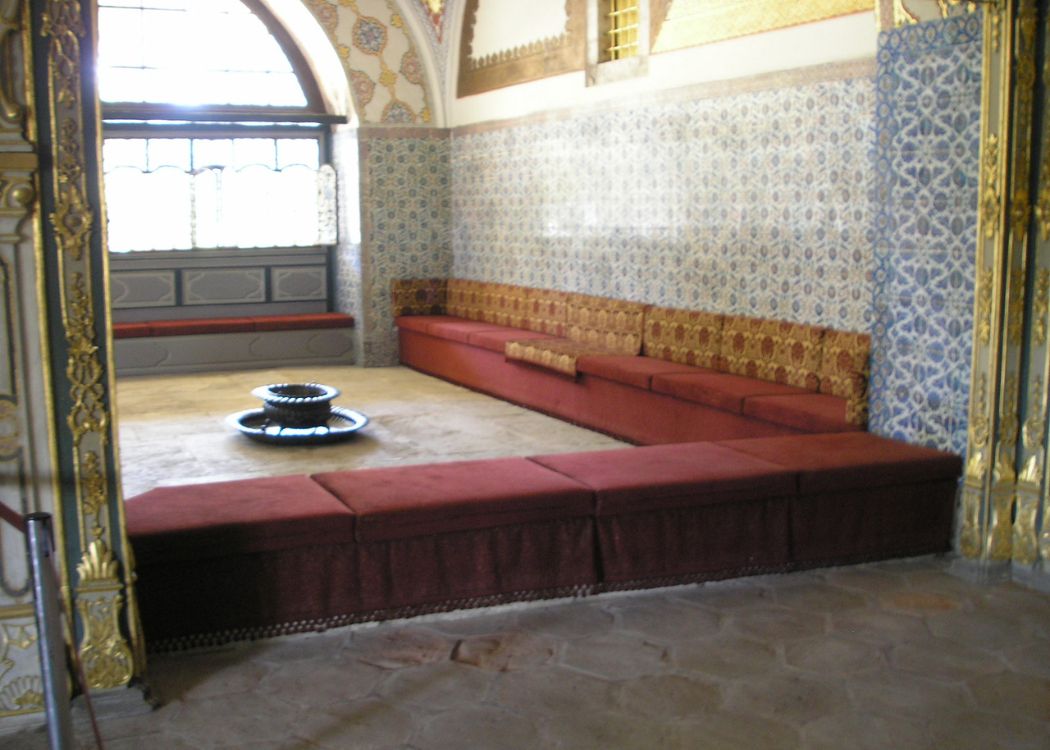
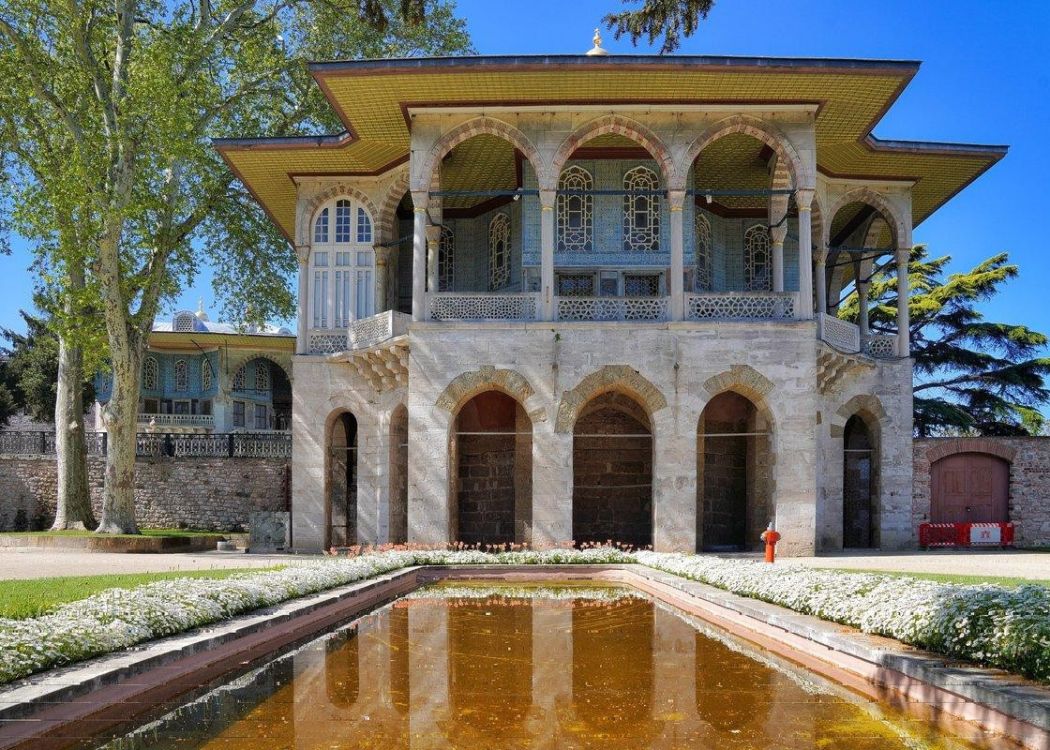
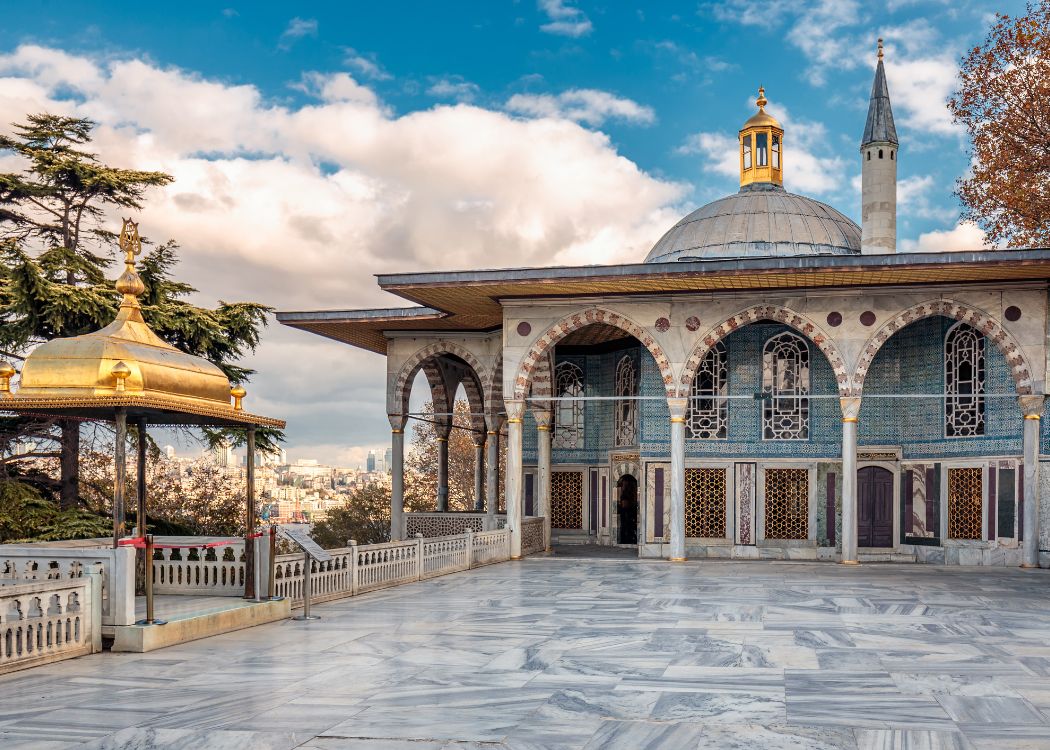
Built in 1639 by Sultan Murad IV to celebrate his recapture of Baghdad, this elegant pavilion in the Fourth Courtyard is one of the finest surviving examples of classical Ottoman kiosk architecture. The interior features exquisite Iznik tiles in cobalt blue and turquoise, mother-of-pearl inlaid shutters, and a central dome decorated with intricate gilded patterns. The covered terrace offers sweeping views of the Bosphorus and the Asian shore, making it an ideal spot to pause and appreciate the strategic genius of the palace's location.
Imperial Kitchens & Porcelain Collection
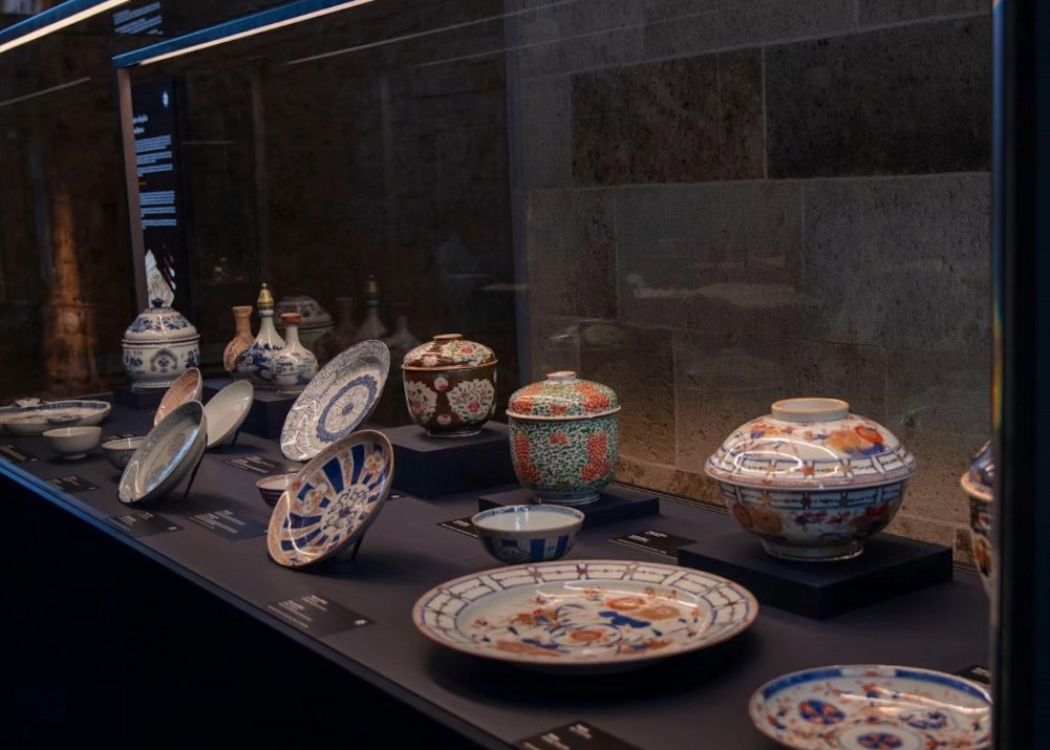
The palace kitchens, lining the eastern side of the Second Courtyard, once fed up to 5,000 people daily. Today they house one of the world's largest collections of Chinese celadon and porcelain, amounting to over 10,000 pieces spanning eight centuries. The Ottomans specifically prized celadon wares because of a court belief that the glaze would change color or crack in the presence of poison. The massive chimney stacks redesigned by Mimar Sinan after the 1574 fire are architectural landmarks in their own right. Japanese porcelain, European silverware, and Ottoman cooking implements round out the exhibits.
Fourth Courtyard & Garden Terraces
Golden Horn views
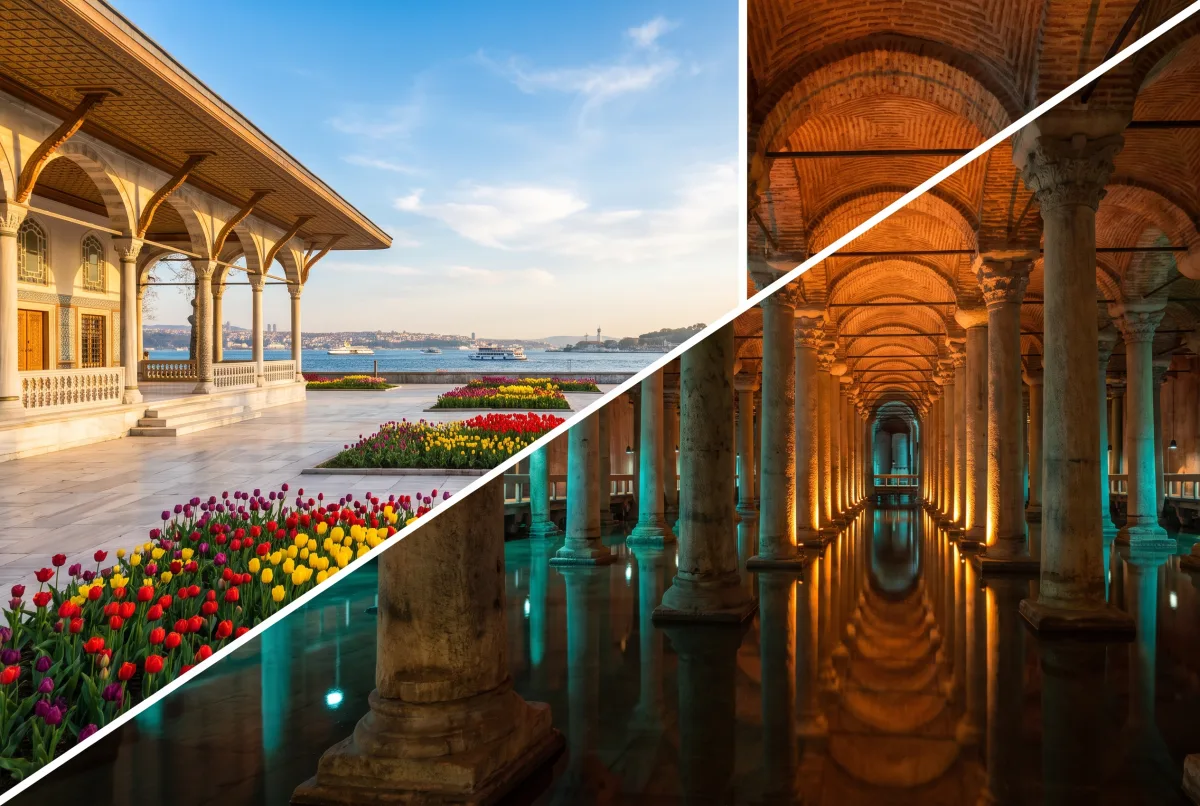
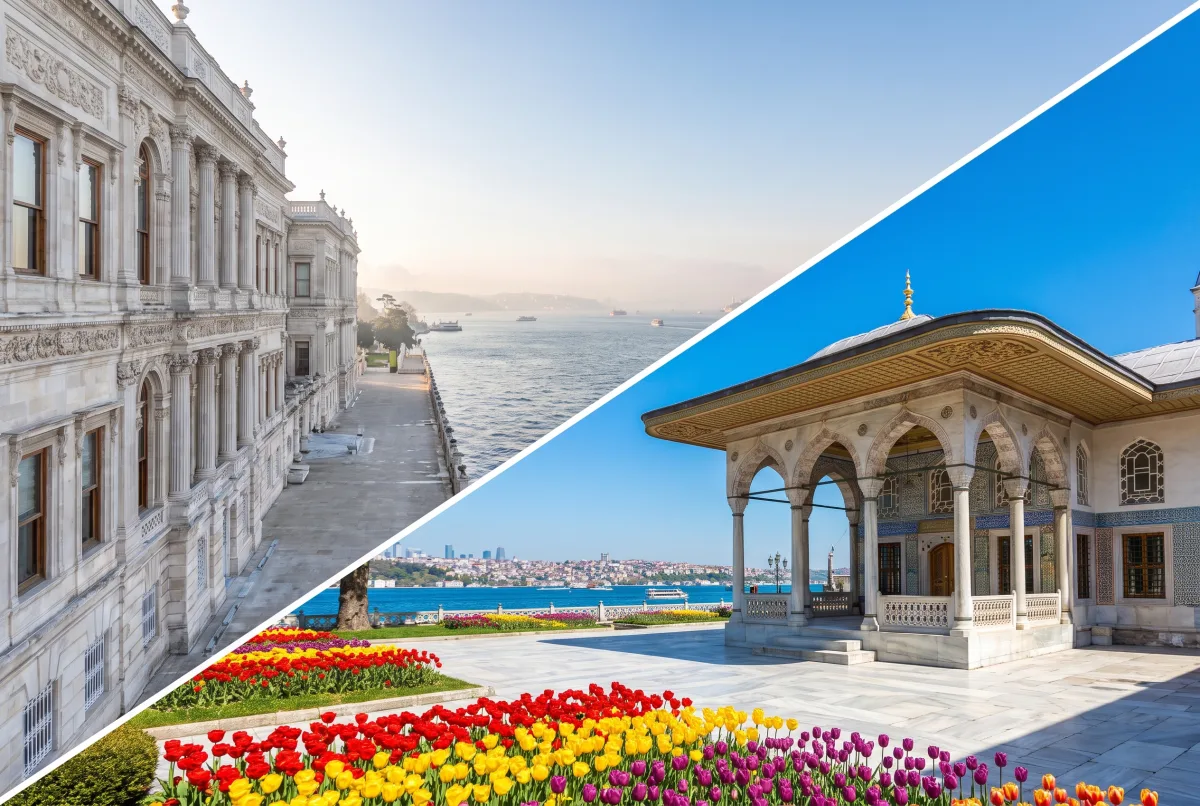
The innermost courtyard is not a single open space but rather a series of terraced gardens, marble pavilions, and intimate kiosks where sultans retreated from the formality of court life. The Mecidiye Kiosk, the last structure built in the palace, offers what many consider the finest panoramic view in all of Istanbul: the Golden Horn, the Bosphorus, the Sea of Marmara, and the minarets of the Sultanahmet skyline all visible in a single sweep. The Iftariye (Iftar Pavilion) was where sultans broke their Ramadan fasts at sunset, framed by panoramic views across Istanbul's historic peninsula and surrounding waterways. In spring, the tulip gardens burst with color, recalling the Tulip Era of the early eighteenth century when Ottoman high society was consumed by a passion for the flower.
The Harem: A Palace Within a Palace
An Entire World Behind Locked Doors
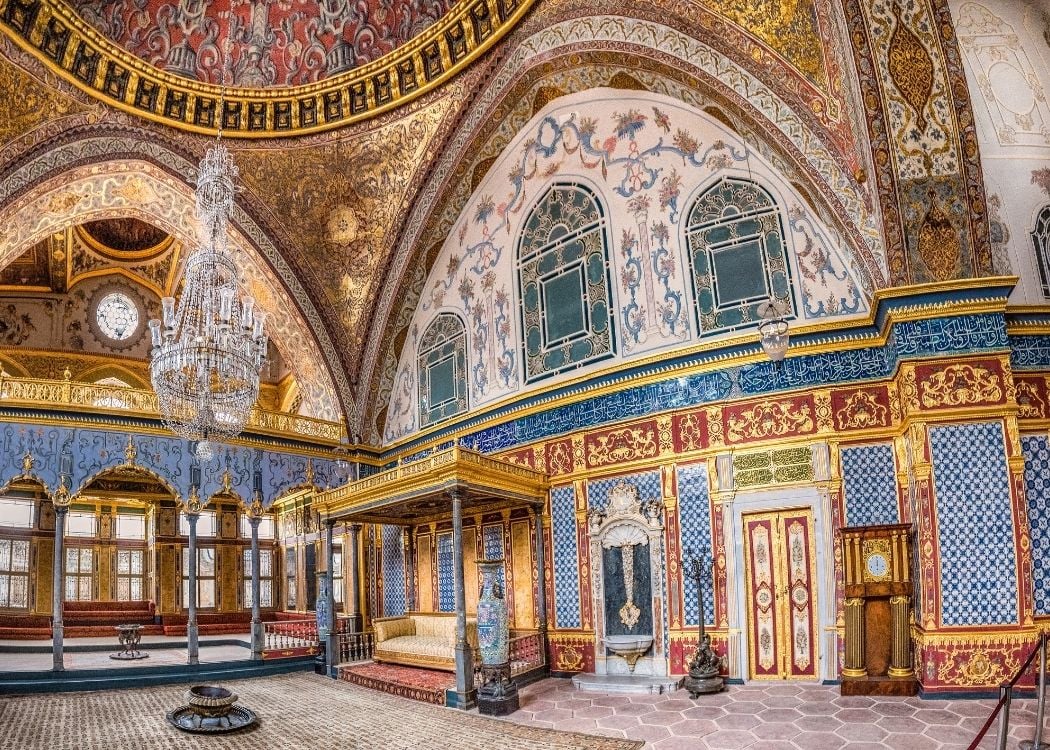
The figure who looms largest in the Harem's history is Hurrem Sultan, the Ukrainian-born concubine who became Suleiman the Magnificent's legal wife, an act without precedent in Ottoman tradition. During the reign of Suleiman the Magnificent, Hurrem Sultan became one of the most influential women in Ottoman court history. Her move to Topkapi Palace formed part of the gradual transfer of the imperial household from the Old Palace. The Harem complex continued to expand and change under later sultans and members of the dynasty, which feature some of the most exquisite Iznik tilework in existence: panels of cobalt, turquoise, and coral red depicting tulips, carnations, and cypress trees in flowing arabesques.
Architecturally, the Harem is a labyrinth. Its rooms were built, demolished, and rebuilt over three centuries according to the changing needs and tastes of successive sultans. The Courtyard of the Favourites, where the sultan's most-favored consorts lived, features a covered colonnade with delicate marble columns. The Imperial Hall, the largest room in the Harem, served as the sultan's private reception space; its dome, painted with Baroque flourishes added in the eighteenth century, soars above a marble throne platform. Even the Harem's baths, with their domed ceilings pierced by star-shaped light wells, demonstrate an extraordinary attention to sensory experience.
Harem access is included with the official Topkapi Palace combined ticket. Separate Harem tickets may also be available for eligible visitors and ticket types. Given the level of detail and the sheer historical density of what you will encounter, the additional cost is one of the best value propositions in Istanbul's museum landscape. Budget at least 45 minutes to an hour for the Harem alone, and visit early in the morning when the narrow corridors are less crowded.
Tickets & Visiting Options
Several ticket types are available depending on how much of the palace you want to explore and whether you prefer a self-guided or guided experience. Prices shown are approximate and may vary by season.
| Option | Includes | Duration | Price |
|---|---|---|---|
| Palace Only | All courtyards, Treasury, Sacred Relics, kitchens | 1.5 – 2 hrs | €36 |
| Palace + HaremRecommended | Full palace access including Harem section | 2.5 – 3.5 hrs | €56 |
| Guided Tour | Palace + Harem with licensed English-speaking guide, skip-the-line entry | 3 – 3.5 hrs | €79 |
Istanbul Tourist Pass® & Istanbul Prime Pass
For visitors looking for a more seamless and value-packed experience, the Istanbul Tourist Pass® is another excellent option. Topkapi Palace is included in the pass, meaning you can enter without purchasing a separate ticket. The Istanbul Tourist Pass® is also included within the Istanbul Prime Pass, offering even more flexibility for travelers who want to bundle premium experiences.
With the pass, you benefit from a fully digital and hassle-free experience, including hosted entry and access to an audio guide, helping you better understand the history and significance of Topkapi Palace. There is no need to wait in ticket lines or manage multiple bookings — simply choose your preferred time slot, arrive at the meeting point, and enjoy a smooth entry process.
Beyond Topkapi Palace, the pass covers 120+ top attractions and experiences across Istanbul, making it an ideal choice for visitors planning to explore the city in depth. From iconic landmarks to guided tours and unique activities, it offers both convenience and excellent overall value.
If you are looking to save time, skip lines, and maximize your Istanbul itinerary, the Istanbul Tourist Pass® (and its inclusion within the Istanbul Prime Pass) is a smart and efficient choice.
Practical Visitor Information
Everything you need to know before you arrive, from operating hours to transport options. Bookmark this section for quick reference on the day of your visit.
Opening Hours
Topkapi Palace is open from Wednesday through Monday and is closed on Tuesdays. The ticket office currently operates from 9:00 AM to 5:00 PM. Opening hours may change during holidays, special events, and seasonal night visits, so checking the official schedule before arrival is recommended.
Closed Days
Closed every Tuesday year-round. The palace is closed on the first day of Eid al-Fitr and on New Year's Day. It currently remains open on the first day of Eid al-Adha. Holiday arrangements may change, so visitors should check the official calendar before arrival. Do not plan your visit for a Tuesday, as the palace is closed every Tuesday.
Getting There
Tram T1 to Sultanahmet or Gulhane station (both a 5-minute walk). By taxi, ask for Topkapi Sarayi in Sultanahmet. The palace is within walking distance of Hagia Sophia and the Blue Mosque.
Time Needed
Allow a minimum of 2 to 3 hours for the palace and Harem combined. Visitors who want to explore thoroughly, including all exhibits and the Fourth Courtyard views, should plan for 4 hours.
Dress Code
There is no general mosque-style dress code for the palace, but visitors should dress respectfully, particularly when entering the Chamber of Sacred Relics. Comfortable walking shoes are strongly recommended due to the palace's large courtyards and uneven surfaces. Comfortable walking shoes are essential; the courtyards cover a large area with cobblestone surfaces.
Accessibility
The main courtyards and several exhibit halls are wheelchair accessible. However, the Harem includes stairs and narrow corridors that present challenges. Ask at the ticket office for the accessible route map.
Food & Drink
The Konyali restaurant in the Fourth Courtyard serves Turkish cuisine with panoramic views. There is also a cafeteria near the kitchens. Water fountains are available throughout the grounds.
Photography
Photography restrictions vary by area. Visitors should follow the signs and staff instructions, particularly inside exhibition halls, the Harem, and the Chamber of Sacred Relics. Flash, tripods, and professional equipment may be restricted. Tripods and selfie sticks are not allowed inside exhibit halls.
Are you ready to explore Topkapi Palace?
Unforgettable views and the best moments await you.
Insider Tips & Secrets
These tips come from seasoned Istanbul visitors and licensed guides who know Topkapi Palace beyond what any standard guidebook covers. Follow these and you will have a noticeably better experience than the average tourist.
Arrive at 9 AM Sharp
The palace opens at 9:00 AM and the first hour is significantly quieter than the rest of the day. You can explore the Treasury and Sacred Relics without battling through tour-group crowds. By 10:30 AM the difference is dramatic.
Visit the Harem First
Head directly to the Harem entrance on the left side of the Second Courtyard before exploring anything else. The narrow corridors become uncomfortably crowded by mid-morning, and the experience is vastly better when you have room to pause and look up at the tilework.
Rent the Audio Guide
The wall plaques inside the palace provide only minimal context. The audio guide (available in multiple languages near the ticket office) transforms the experience by narrating the stories behind each room and artifact. Worth every lira.
Visit on a Weekday
Weekends and public holidays are generally busier. For a more comfortable visit, arrive early on a weekday whenever possible.
Wear Comfortable Shoes
The palace grounds span a vast area of cobblestoned courtyards and uneven stone floors. You will walk considerably more than you expect. Sandals and heels will make the experience unpleasant by the second hour.
Do Not Skip the Fourth Courtyard
Many visitors exhaust their energy by the Treasury and miss the Fourth Courtyard entirely. This is a mistake. The terraced gardens and the panoramic view from the Mecidiye Kiosk are among the most rewarding experiences in the entire palace. Save energy for it.
Combine with Gulhane Park
The palace's lower gardens extend into Gulhane Park, one of Istanbul's oldest public green spaces. After your visit, exit through the park gate and stroll downhill through rose gardens and centuries-old plane trees to decompress before your next landmark.
Buy Tickets Online in Advance
The ticket queue can stretch to 30 minutes or more during peak season. Pre-booking your ticket online can help you avoid the ticket-purchase line. However, all visitors must still pass through mandatory security checks, where waiting times may vary.
Nearby Attractions
Topkapi Palace sits at the heart of Istanbul's historic peninsula. These landmark attractions are all within easy walking distance and combine perfectly with a Topkapi visit.

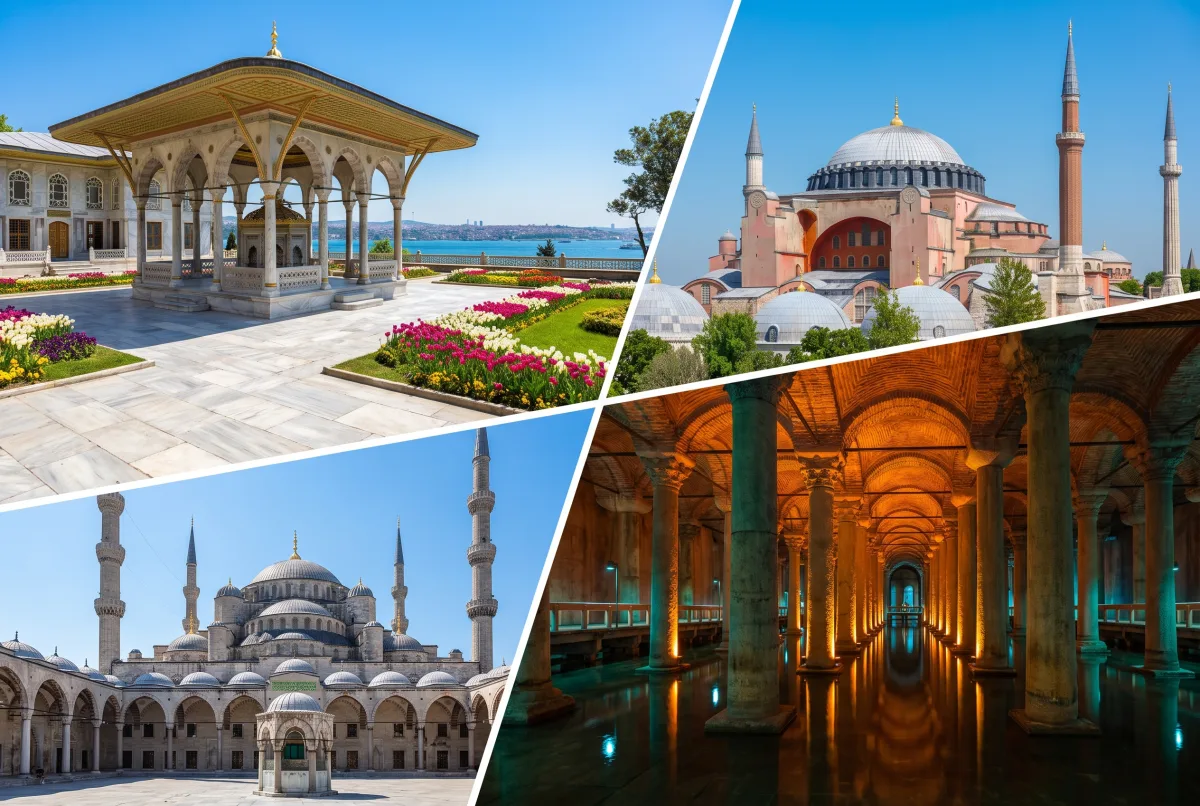
Hagia Sophia
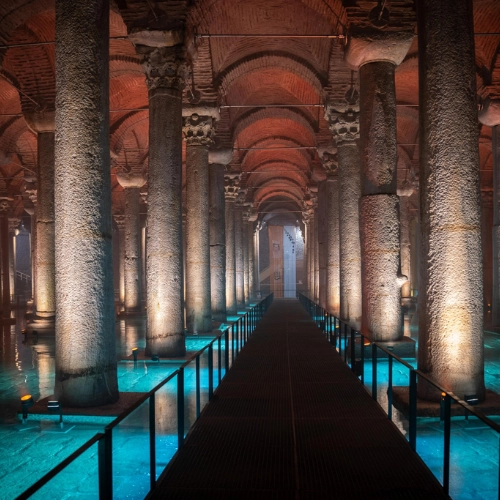
Basilica Cistern
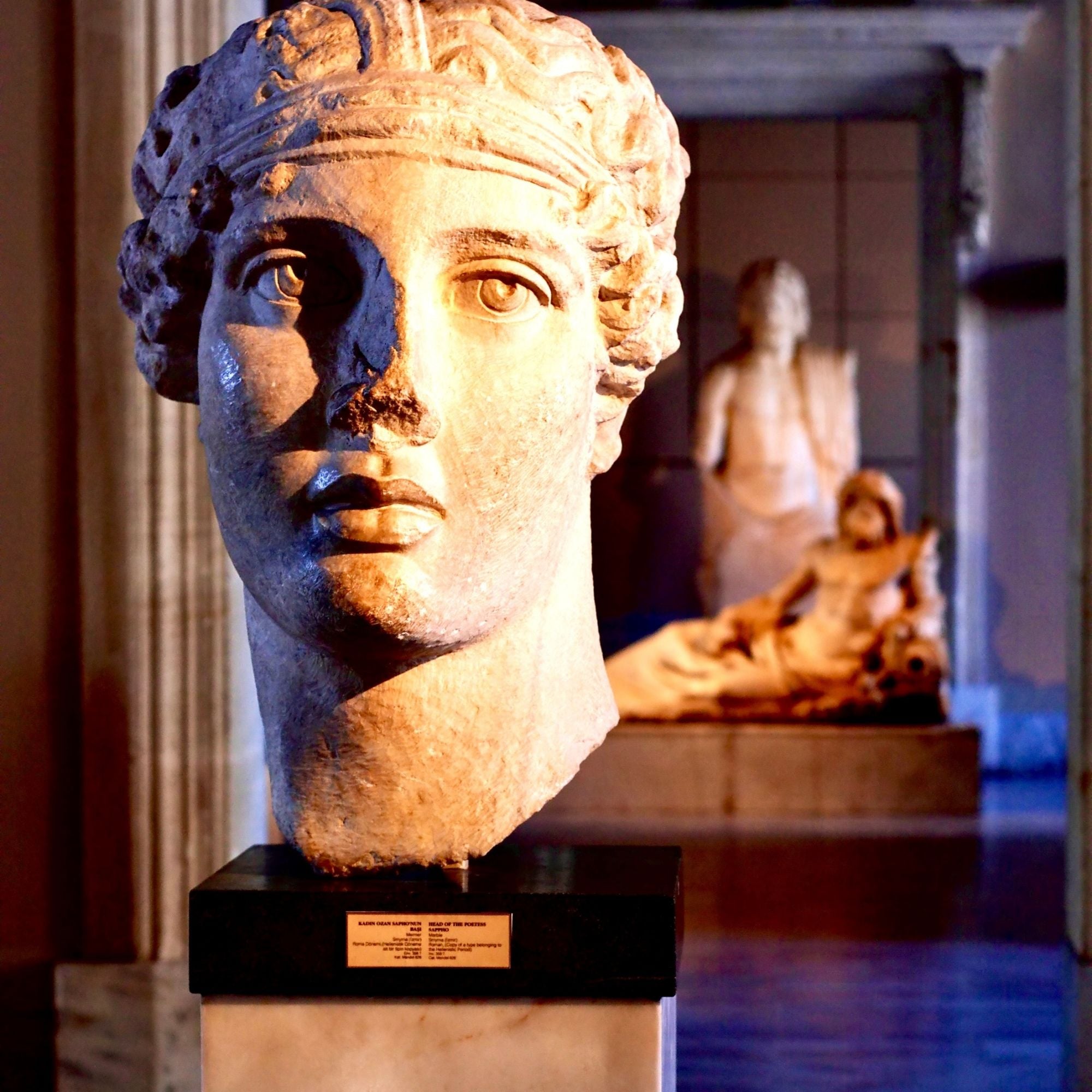
Istanbul Archaeological Museums

Gulhane Park
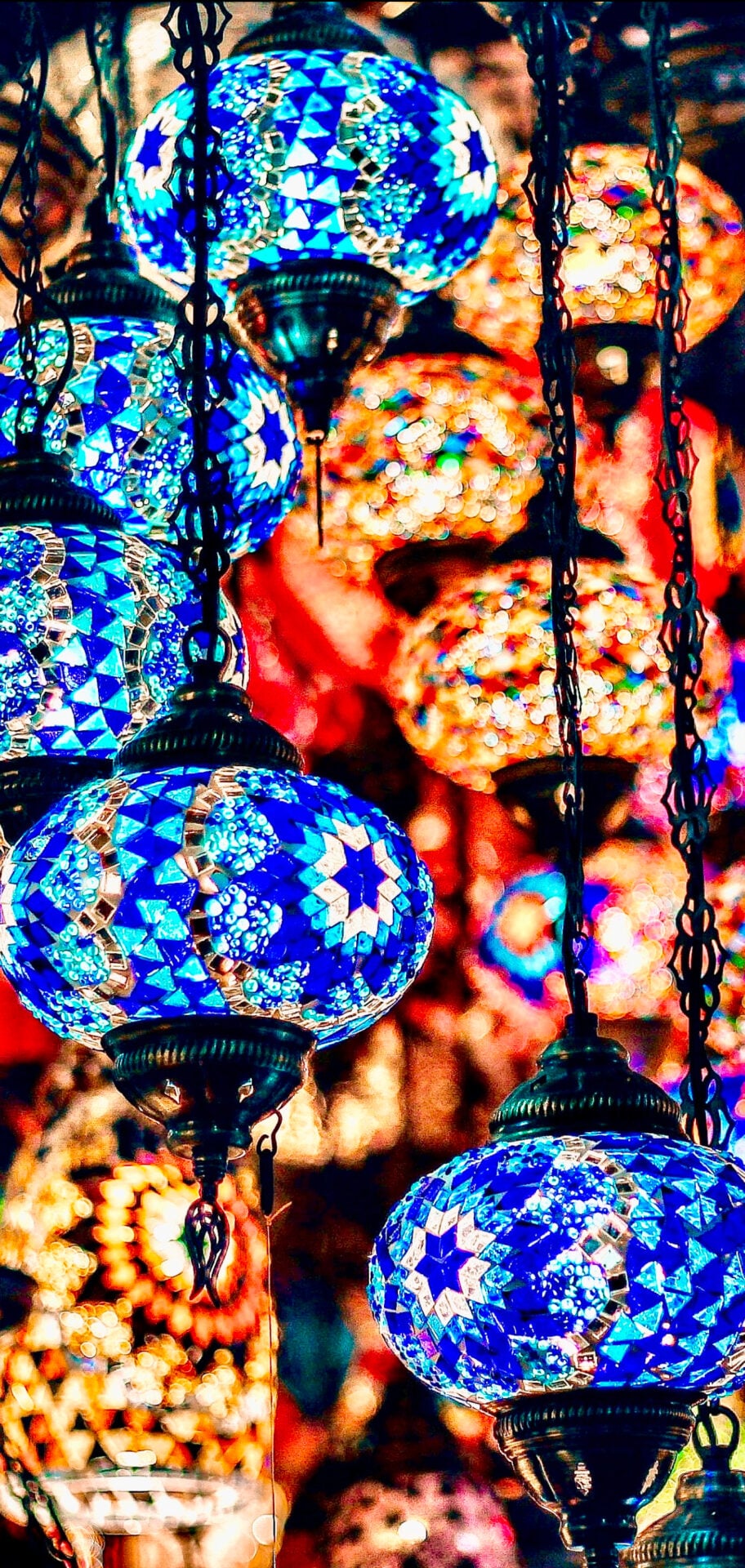
Grand Bazaar
Topkapi Palace FAQ
Absolutely. The Harem is arguably the most atmospheric and architecturally stunning part of Topkapi Palace. Its lavish Iznik-tiled corridors, the Courtyard of the Favourites, and the Imperial Hall reveal a hidden world of Ottoman court life that you simply cannot experience elsewhere. The separate ticket is well worth the additional cost, and skipping it means missing the heart of the palace's story.
Plan for a minimum of 2 to 3 hours to see the main palace sections and the Harem at a reasonable pace. If you want to explore every courtyard thoroughly, read the exhibit descriptions, enjoy the Bosphorus views from the Fourth Courtyard terraces, and perhaps sit down for Turkish tea at the Konyali restaurant, allow 4 hours. Rushed visits under 90 minutes tend to leave visitors feeling they missed the best parts.
Wednesday and Thursday tend to be the least crowded days. The palace is closed every Tuesday, so Monday visitors often find slightly larger crowds as people adjust their plans. Weekends, particularly Saturdays, see the heaviest foot traffic from both tourists and local visitors. If you must visit on a weekend, arrive right at 9:00 AM opening.
Photography without flash is allowed in most sections of the palace, including the courtyards, the Treasury, and many exhibit halls. However, photography is strictly prohibited in the Sacred Relics section where the Prophet Muhammad's belongings are displayed. Some areas of the Harem also restrict photography. Tripods and selfie sticks are not permitted inside any exhibit halls.
Enter through the Imperial Gate, cross the First Courtyard, and pass through the Gate of Salutation into the Second Courtyard. Turn left immediately to visit the Harem first while it is still relatively quiet. After the Harem, explore the Imperial Council Hall (Divan) and the kitchens in the Second Courtyard. Then proceed to the Third Courtyard for the Imperial Treasury and Sacred Relics. Finish with the Fourth Courtyard for the Baghdad Kiosk, garden terraces, and panoramic views. This route moves from the most crowd-sensitive areas to the open-air spaces and ensures you end your visit on a high note.
Yes, audio guides are available for rent near the ticket office in multiple languages including English, German, French, Spanish, Arabic, and several others. The audio guide provides historical context and storytelling that significantly enhances the experience, especially in the Treasury and Harem sections where wall signage is limited. The rental cost is modest relative to the value it provides.
For a private guided tour of 2 to 3 hours, a tip of 100 to 200 Turkish Lira (approximately 5 to 10 euros) per person is customary if you are satisfied with the guide's knowledge and service. For group tours, 50 to 100 Turkish Lira per person is appropriate. Tipping is not mandatory but is appreciated and is standard practice in Istanbul's tourism industry.
Yes. The Istanbul Museum Pass covers Topkapi Palace (including the Harem), Hagia Sophia Museum exhibitions, the Istanbul Archaeological Museums, and several other sites across the city. The pass is valid for a set number of days and offers meaningful savings if you plan to visit three or more museums during your stay. Additionally, some tour operators offer bundled skip-the-line packages combining Topkapi with Hagia Sophia and the Basilica Cistern at a discounted rate.