内部
走进蓝色清真寺:你真正会看到什么
穿过庭院的大门,先击中你的是尺度。主穹顶跨度23.5米,从地面升起43米,荷载沿着一连串半穹顶层层传下。这个别名来自墙面。伊兹尼克瓷砖是产自湖畔小镇伊兹尼克的手绘陶板,在16和17世纪以钴蓝而备受推崇。这座建筑收藏了有史以来汇集起来的最大一批。事实上,清真寺经修复于2023年重新开放时,保护团队记录到的正好是21,043片,图案超过50种,包含郁金香、康乃馨与柏树。值得注意的是,多数都高踞于楼廊与拱券之上,所以请抬头,并给眼睛一分钟适应——室内比照片所暗示的更暗。
这里不是博物馆,而这改变了参观的感受。按通行的算法,清真寺满员时可容纳约10,000名礼拜者,每天五次礼拜,天天如此。因此你会沿着铺在地毯上的围绳参观路线行走,鞋子装在袋里,压低声音,而礼拜区域始终留空。地毯从墙铺到墙,其纹样以行列排布,使礼拜者朝向麦加。以我们的经验,留在访客心里的是活着的清真寺的气息,而不是建筑本身。
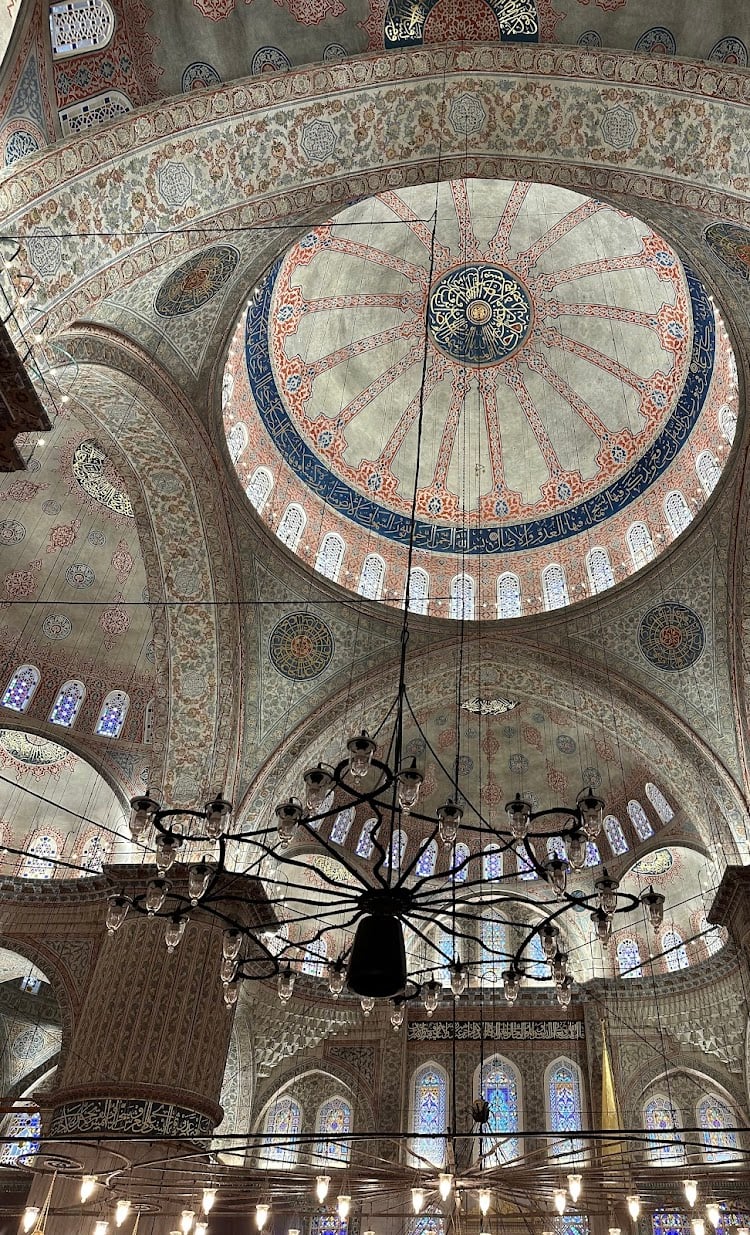
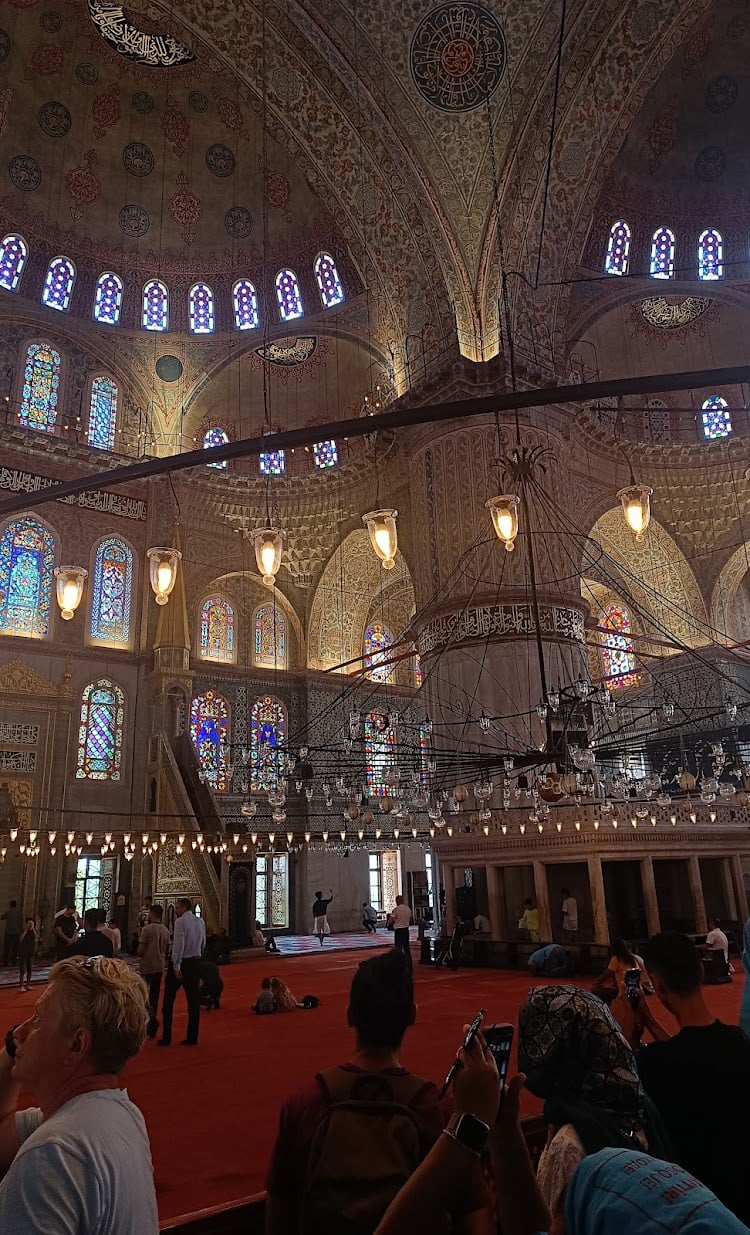
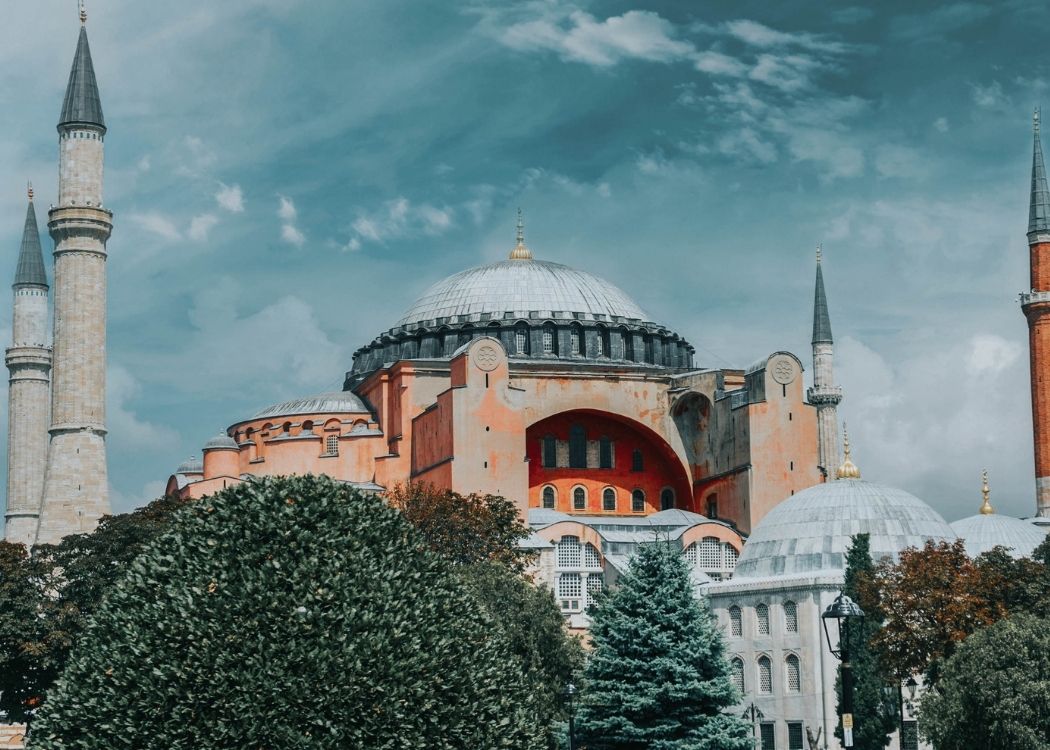
这座建筑在其历史上最全面的一次修复之后,于2023年4月重新开放(Daily Sabah, 2023)。换句话说,你如今看到的瓷砖与彩绘,比几代访客所见的任何时候都更接近17世纪的原貌。与广场对面的圣索菲亚一道,这座清真寺锚定着伊斯坦布尔历史城区,该区于1985年被列入联合国教科文组织世界遗产名录。
历史
历史:谁在何时建造
苏丹艾哈迈德一世于1609年下令兴建这座清真寺,那时他还不到二十岁。奥斯曼帝国刚与哈布斯堡签订《日特瓦托罗克和约》,这份条约被普遍读作对奥斯曼威望的一记打击。年轻的苏丹以建筑作答。具体而言,他下令在旧拜占庭宫殿的地基上,正对圣索菲亚修建一座皇家清真寺。工程于1617年完工,尽管有些铭文写着1616年。
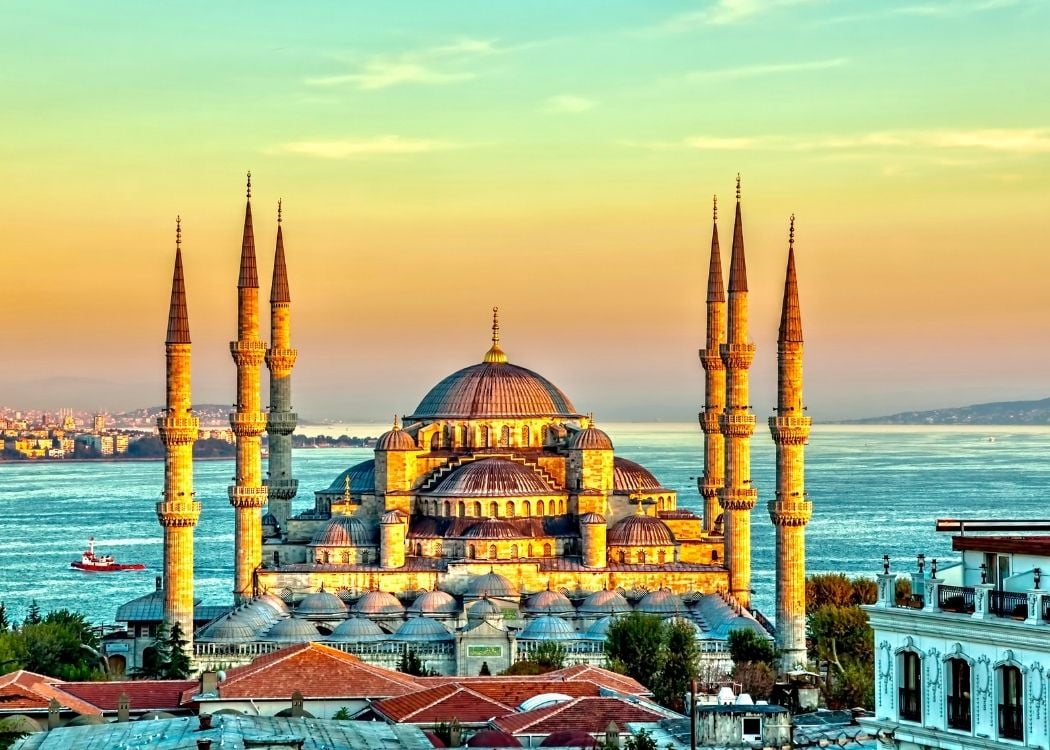
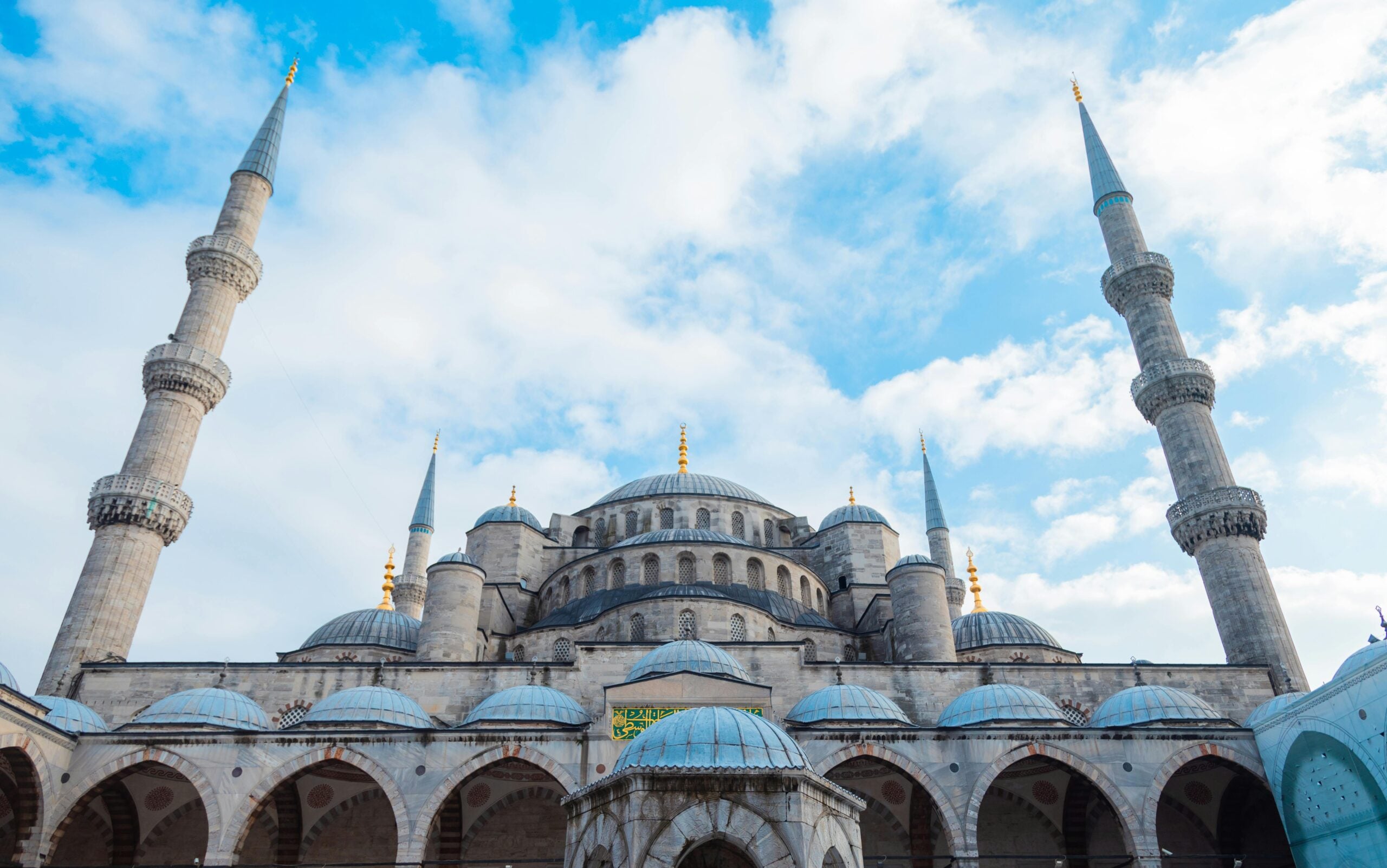
这位建筑师值得单独一页。谢德夫卡尔意为螺钿镶嵌的大师。迈赫迈德·阿加在这门手艺上大约花了二十年,之后才在帝国最伟大的营造者锡南的谱系中升任宫廷首席建筑师。值得注意的是,他在此处的工作成了1614年《建筑论》的主题——据《不列颠百科全书》,这实际上是唯一留存下来的奥斯曼建筑论著,写成时清真寺还在往上长。珠宝匠的耐心与工程师的雄心这样结合,解释了许多事。从广场看,这座建筑读起来像一个横扫的手势,然而它又像镶嵌工艺那样,回报你走近细看。
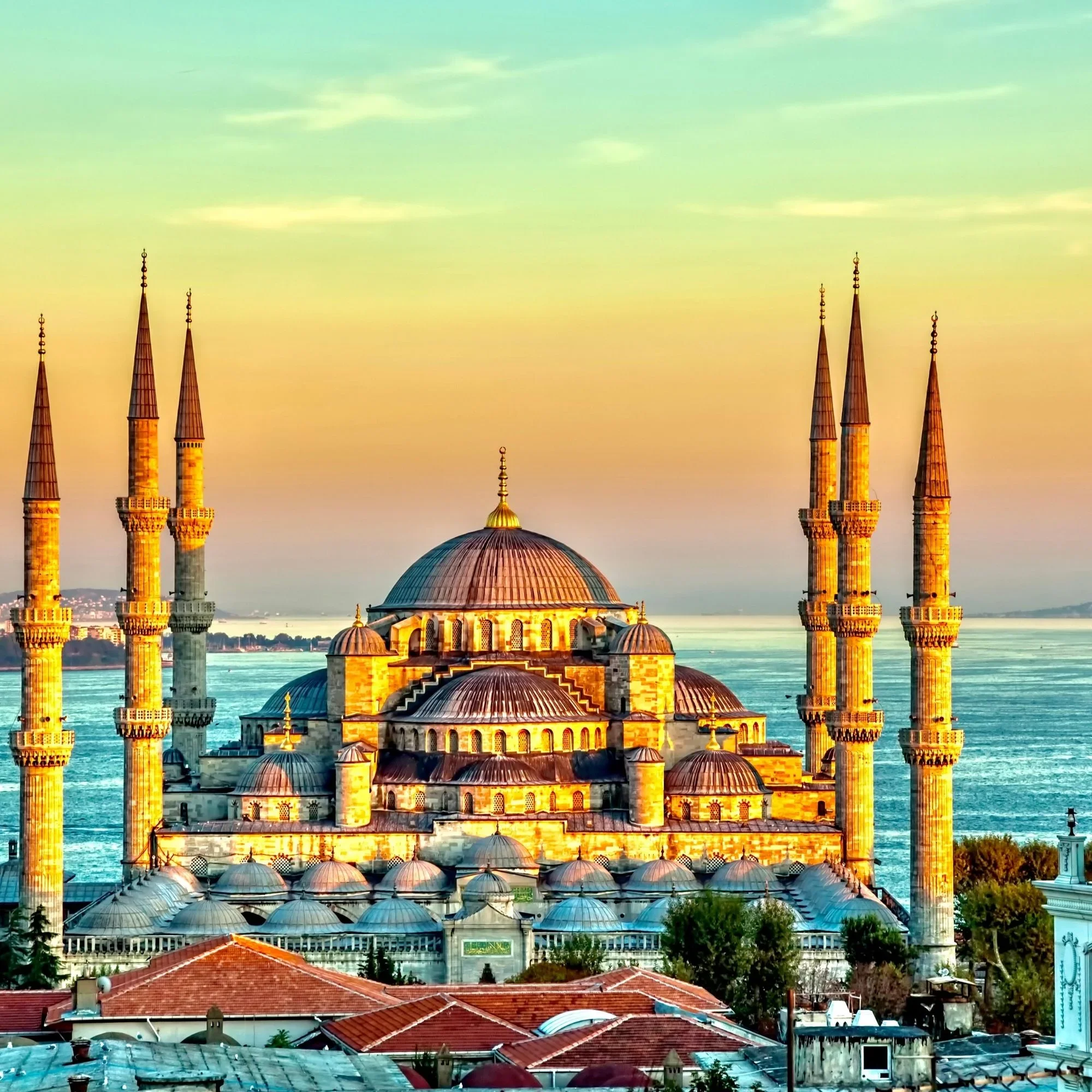
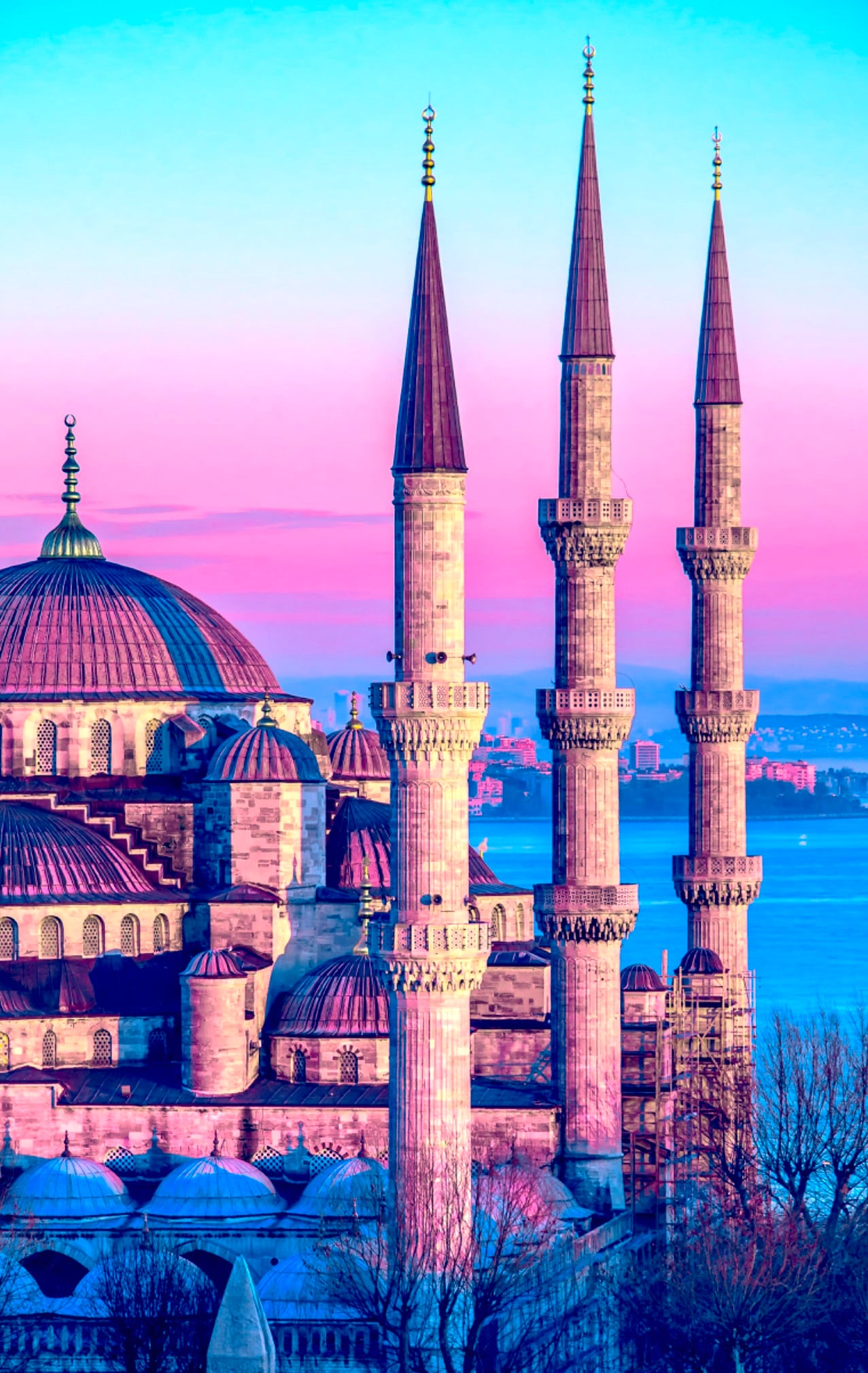
接着是六座宣礼塔,以及导游们爱讲的一个故事。当时只有麦加的清真寺拥有六座。流行的说法是,苏丹要的是金色宣礼塔("altın"),而建筑师听成了六座("altı")。按这个故事,争议以苏丹出资在麦加加建第七座宣礼塔而告终。我们也讲这个故事——话虽如此,史料把它当作传说,而非有据可查的事实。
简而言之,传说是好故事;有据可查的记录本身已足够动人。这是古典奥斯曼风格最后一座伟大的皇家清真寺。它从未停下艾哈迈德一世建造它的那份工作:城市中心一座仍在运转的祈祷之所。
规划行程
参观蓝色清真寺:时间、着装与入场
开放时间
The Blue Mosque opens to visitors daily from about 8:30am until dusk, except during the five daily prayers. Each prayer closes the mosque to tourists for roughly 60 to 90 minutes, and the exact windows shift through the year with the prayer calendar. Accordingly, check the posted schedule at the entrance or any prayer-times app on the day, and treat any website listing fixed clock times with suspicion.
礼拜时间与闭馆
Tourist entry pauses five times a day for prayer. Friday is the big one. Jumu'ah is the Friday midday prayer held in congregation, and the mosque stays closed to visitors through it, typically reopening in the early afternoon. If Friday is your only day in Sultanahmet, plan the mosque for late afternoon. Meanwhile, Hagia Sophia or the Basilica Cistern fill the midday window well.
着装要求
Shoulders and knees must be covered for everyone, and women cover their hair inside. Attendants hand out free headscarves at the entrance if you need one; that said, bringing your own light scarf is more comfortable. Everyone removes their shoes and carries them in a free plastic bag. In short, dress modestly and you will pass the attendants without a second look.
入场费用
Entry to the Blue Mosque is free. There is no ticket, and as of 2026 no fee has been introduced for foreign visitors.
In contrast, Hagia Sophia across the square has charged tourists €25 since January 2024. Donations are optional, collected in clearly marked boxes near the exit.
That makes this the only site on Sultanahmet's main axis you can still walk into without paying. No booking app, no timed slot, no queue to pay. The €25 you save is better spent on a guide who can explain what you are looking at. In other words, what visitors pay for at the Blue Mosque is guiding and context, never entry — the tours section below covers what that buys you.
如何前往
Take the T1 tram to the Sultanahmet stop; our team measured the walk from the tram platform to the mosque gate at three minutes. Coming from the Galata side, the same line runs direct from Karaköy and Eminönü. Hagia Sophia, Topkapı Palace, the Basilica Cistern, and the Grand Bazaar all sit within a 5-to-15-minute walk. For example, you can step out of the mosque, cross the square, and join the Hagia Sophia line in under ten minutes. That is why most people give Sultanahmet a full day.
最佳参观时间
In our experience, the first hour after morning opening, around 8:30am, beats every other window of the day — you share the hall with the fewest people. Late afternoon between prayers is the next-best option. On the other hand, summer middays are the trap: the security line alone can add 30 to 60 minutes. Sunset belongs to the outside of the building — the minarets against the evening sky from the Sultanahmet square benches, with the call to prayer overhead.
已依据官方信息核实 · 2026年8月10日 · TURSAB持牌运营商
Tours
蓝色清真寺导览:什么值得花钱
售票网站含糊其辞的一点,说清楚:清真寺免费,进入其实无需任何导览。那么好的导览增加了什么?增加的是光秃的墙面不会告诉你的一切——艾哈迈德一世是谁,瓷砖为何来自伊兹尼克,以及你在米哈拉布和苏丹包厢里究竟在看什么。它还会绕开礼拜时段的关闭为你安排行程,而初次到访者流失最多时间的正是这一点。
| 方式 | 增加了什么 | 适合谁 |
|---|---|---|
| 自行参观 | 无需预订——免费入内,礼拜时段自己安排 | 有把握的回头访客 |
| 语音导览 | 按自己节奏讲解瓷砖、穹顶与历史 | 独立的初访者 |
| 导览团 | 持照本地导游,时间安排妥当,问题即时解答 | 初次到访、时间紧张 |
常见问题
常见问题
不需要。蓝色清真寺对所有人免费——它是一座现役清真寺,不是售票景点。那些出售「蓝色清真寺门票」的网站,实际卖的是导览或套餐,而非入场本身。只有当你选择导游、语音导览或组合观光套餐时才需要付费。
因为瓷砖:21,043 块手绘伊兹尼克瓷砖铺满内墙与回廊,多为蓝色郁金香与康乃馨图案。正式名称是苏丹艾哈迈德清真寺,得名于下令建造它的苏丹。「蓝色」这个别名来自欧洲旅行者对殿内光线的描述。
由苏丹艾哈迈德一世下令兴建,建筑师塞德夫卡尔·穆罕默德·阿加——师承奥斯曼大建筑师锡南一脉——于 1609 至 1617 年间建成。它是奥斯曼帝国最后一座古典时期的大型帝国清真寺。
以游客身份不行。每天五次礼拜时,清真寺会对游客关闭约 60 至 90 分钟。周五中午礼拜期间持续对游客关闭,下午早些时候重新开放。当然,礼拜者任何时候都欢迎。
殿内计划 30 至 45 分钟,另加安检队伍——夏季中午可能要排 30 至 60 分钟。跟导游约一小时。再加上庭院和外面的广场,连同隔壁的圣索菲亚,苏丹艾哈迈德轻松填满半天。
遮住肩膀和膝盖;女性在殿内还需包住头发。入口处提供免费头巾,所有人都要脱鞋并用免费袋子拎着。特别提醒:夏天轻薄宽松的衣物,胜过到门口还得手忙脚乱穿脱的层层搭配。
可以在殿内拍照,但请关闭闪光灯,避免拍摄正在礼拜的人——信众认为那是不敬。同样,不建议使用三脚架。拍瓷砖的最佳光线在上午晚些时候,阳光正好照进高处的窗户。
可以,主游客入口和礼拜大厅层都无障碍,游客入口设有坡道。同样,铺着地毯的内部在参观路线上全程平坦。历史庭院有一些门槛,因此有人协助能走最快的路线进去。
还有疑问?
我们的伊斯坦布尔旅行专家乐意为您服务。
附近